 RunningCrews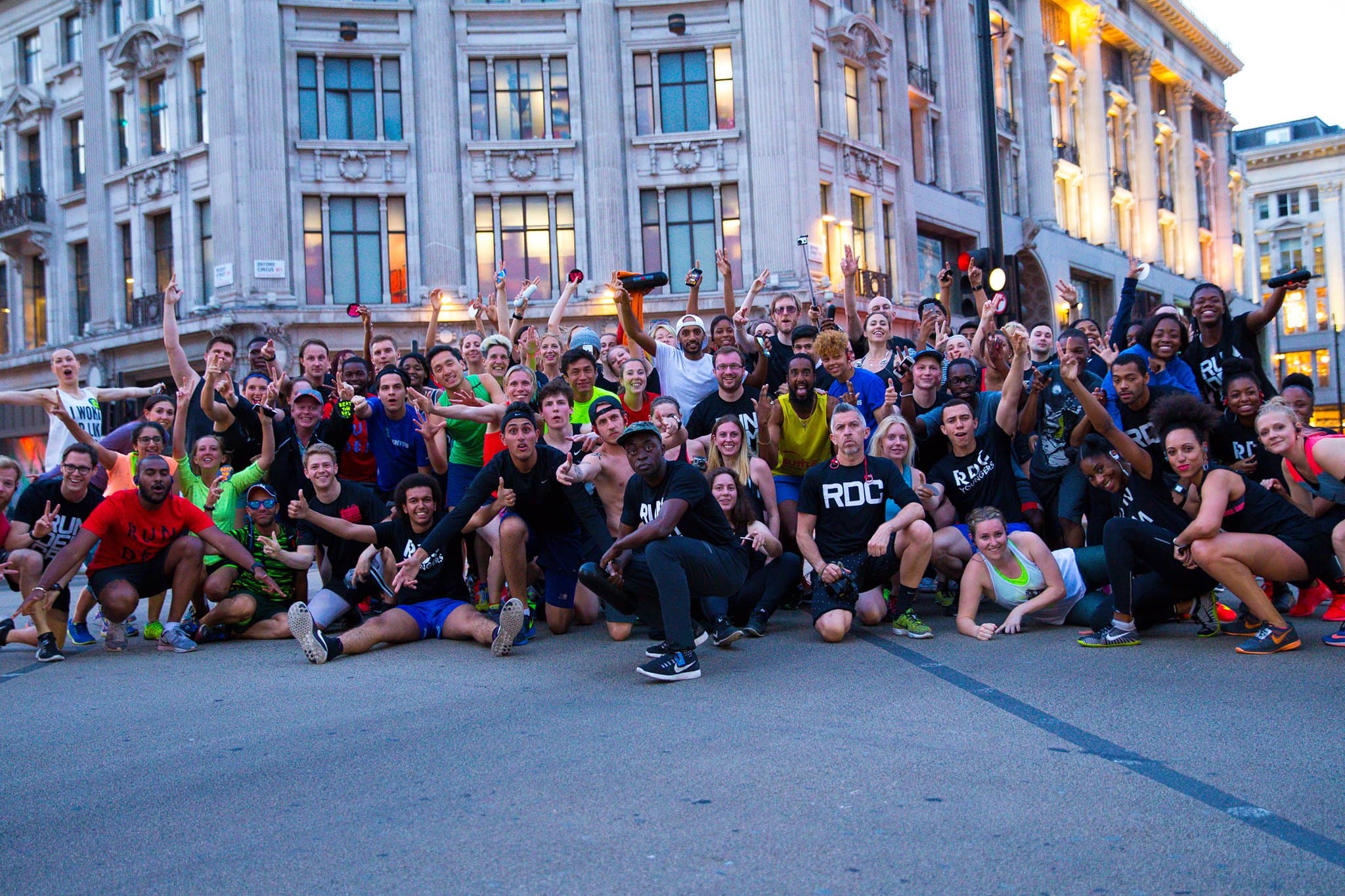
A Poet, a DJ, and a Different Kind of Run
There is a line that Charlie Dark, founder of Run Dem Crew, has repeated often enough that it has become something of a manifesto: "We are not a running club, and we do not jog." It sounds simple, but in 2007, when Charlie first gathered a small group of friends to run the streets of East London, that statement carried genuine weight. London's running scene at the time was largely insular, built around club affiliations, time trials, and a particular social uniformity that left little room for people who arrived from music, from art, from the margins of the city. Charlie, a DJ and poet who had found his own relationship with running as a tool for clearing the mind and moving through the world, had a different vision. He wanted to create something that felt less like an institution and more like a gathering. What he built over the following years exceeded anything he might have planned on that first night out. The crew's name is a deliberate nod to Scare Dem Crew, the reggae group, and the homage speaks directly to Run Dem Crew's roots in urban culture, music, and the creative communities that pulse through East London. The name carries attitude and warmth in equal measure, and from the beginning it signalled to potential members that this was a space shaped by a different set of references and values. Running, in this context, was not the point in isolation. It was the vehicle. The streets were the venue. The people were the reason. That founding philosophy has remained consistent through nearly two decades of growth, through hundreds of new members, and through the profound shifts that London itself has undergone since 2007.From East London Streets to Five Hundred Strong
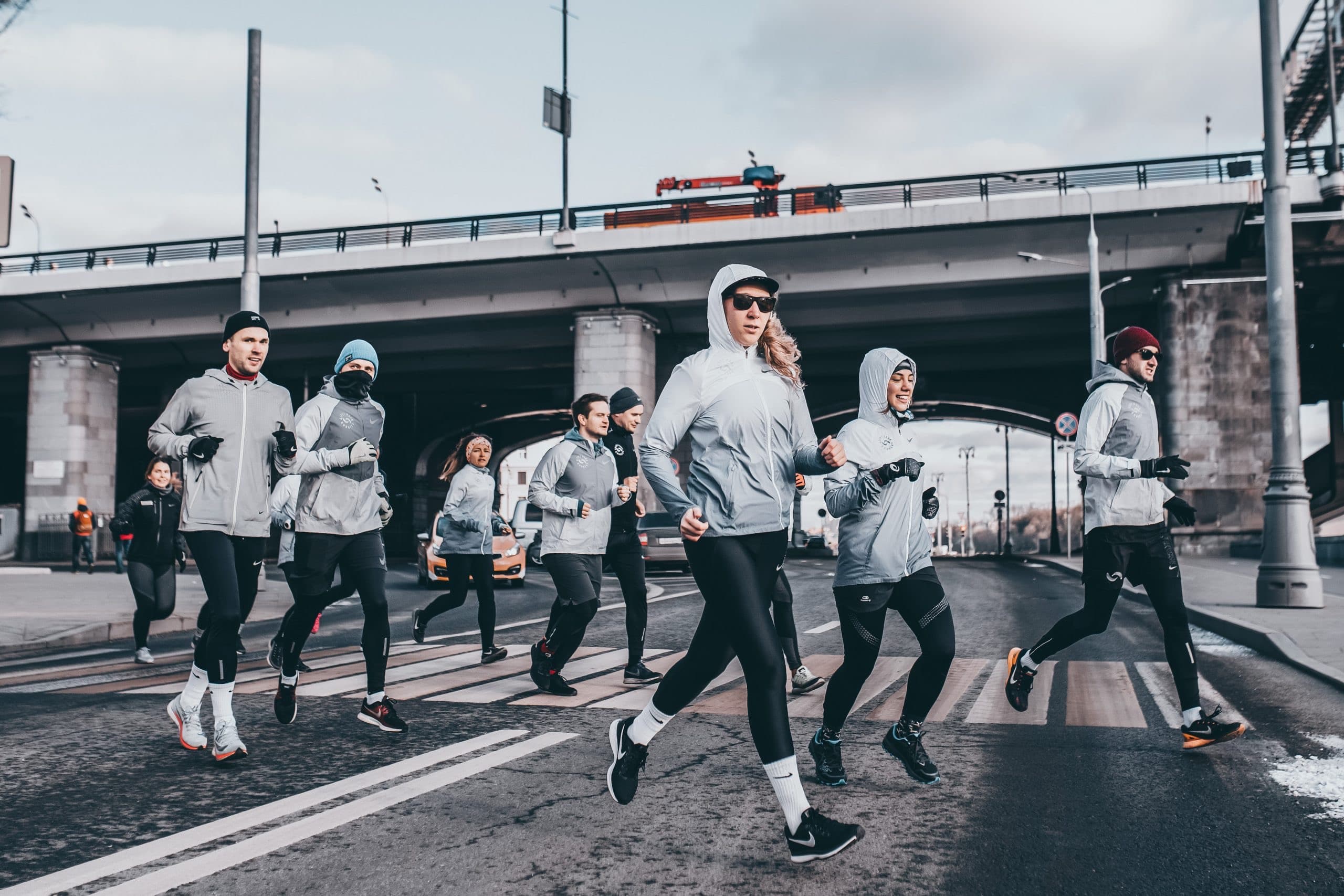
Growth in a running crew is easy to describe in numbers, but numbers rarely capture what growth actually feels like from the inside. Run Dem Crew now counts more than five hundred members, gathering every Tuesday across London and occasionally in cities around the world. The collective has expanded far beyond the small circle of friends who first laced up together in East London, and yet the texture of the Tuesday night run has remained recognisably the same. People show up. They talk. They move. They find something in the rhythm of the group that is difficult to locate anywhere else in a city as large and often anonymous as London. What has always distinguished the crew structurally is its approach to pace groups. Runs are organised into groups based on fitness level and speed, which means that someone taking their first cautious steps into regular running arrives at the same space as someone preparing for a personal marathon best, and both find a group moving at a rhythm that suits them. This is not a small logistical detail. It is a direct expression of the crew's core belief that running belongs to everyone who wants it. The groups allow people to push at their own level without the subtle shame that can attach itself to being the slowest person in a single-speed group. Camaraderie runs vertically through the crew as well as horizontally, meaning that the fastest runners and the newest starters share the same Tuesday night, the same post-run conversation, the same sense of having been part of something that evening.Mentorship as a Running Practice
One dimension of Run Dem Crew that separates it from almost every other running collective in the city is the seriousness with which it has approached mentorship and youth work. From early on, Charlie Dark embedded the crew's activities within a broader commitment to working with young people across London. This was not an add-on programme or a publicity effort. It was woven into the crew's reason for existing. Run Dem Crew has functioned as a space where young people can find guidance, support, and a sense of possibility, delivered through the medium of movement and community rather than through formal institutional channels. Experienced crew members have shared knowledge and time with younger participants, creating informal but meaningful lines of mentorship that extend beyond running technique into questions of resilience, ambition, and self-belief. The streets of London, covered together on a Tuesday night, become a kind of classroom without walls. For many young people who have passed through the crew's orbit, the experience of being welcomed into a community of people who take both running and each other seriously has been genuinely formative. The crew's close relationship with its city, and its willingness to move through parts of London that other running groups rarely visit, reinforces this sense that the run itself is an act of engagement with the world rather than an escape from it.Spitalfields and the Shape of a Tuesday
The crew's current home base is the lululemon store in Spitalfields Market, in the east of the city where the crew's story first began. Spitalfields is an appropriate address for a crew shaped by London's creative underground. The neighbourhood sits at a junction of histories and cultures, a place that has been remade by successive waves of arrivals and industries, and which retains a particular energy that is distinct from the polished west of the city. Markets, music, art, and a density of human activity that makes the streets feel genuinely alive. This is the terrain Run Dem Crew moves through, and it suits the crew's character exactly. The Tuesday evening structure is well-established. Members arrive from 6:30pm, bag check facilities are available inside the store, and the run departs at 7pm. The crew typically covers around 5 kilometres, moving at a conversational pace that allows people to talk as they run. New members are encouraged to arrive before the departure to meet the group, understand the pace groupings, and settle into the rhythm of the evening before the run begins. The practical details are important precisely because they lower the barrier to showing up for the first time. There is nothing mysterious or intimidating about the logistics. The harder thing, as with any new community, is simply walking through the door. Run Dem Crew has always understood that its job is to make that first step feel worth taking.Running Through a City That Never Stays Still
London rewards the kind of running that Run Dem Crew practises. A city of this size and complexity offers an almost inexhaustible variety of routes, each carrying its own atmosphere and its own version of London's layered history. The stretch along the River Thames at dusk, when the light falls across the water and the bridges carry their evening traffic, is one of the most enduringly beautiful urban running experiences anywhere in the world. The parks offer a different register, quieter and greener, with Hyde Park and Victoria Park providing long, open routes that feel removed from the city even while sitting at its centre. The streets of East London, however, are where Run Dem Crew feels most at home, threading through neighbourhoods that have been shaped by immigration, industry, music, and the constant reinvention that defines the eastern end of the city. Running those streets as part of a large, vocal, and diverse group changes how the city feels. Landmarks that become invisible through familiarity become visible again when you are moving past them quickly, in company, with the particular alertness that comes from physical exertion. The crew does not run prescribed tourist routes. They move through the city the way people who live in it and love it move through it, finding the interesting corners, the unexpected views, the moments where the city reveals something about itself that a slower pace of movement might miss. This is one of the things that members consistently describe as central to why they keep coming back on Tuesday nights.A Legacy Still Being Written
Nearly two decades after Charlie Dark gathered his first group in East London, Run Dem Crew occupies a unique position in the story of how running culture in the United Kingdom evolved. The crew did not simply grow alongside the broader running boom that reshaped British cities through the 2010s. It actively contributed to that transformation, demonstrating that a running community could be built around values of inclusivity, creativity, and social responsibility, and that people would turn up in large numbers when those values were genuinely held. The model that Run Dem Crew pioneered, the diverse crew meeting in a city neighbourhood, grouped by pace, shaped by music and art, committed to mentorship, has influenced the formation of other crews across London and beyond. The crew's reach has extended internationally, with members and collaborators appearing at races and running events in cities around the world. Brands and organisations have sought out Run Dem Crew not because of speed records or podium finishes, but because of the quality of community they have built and the authenticity of the values they have sustained over time. In a running landscape increasingly crowded with crews and collectives, that authenticity remains the crew's most distinctive quality. Anyone who turns up on a Tuesday evening in Spitalfields will find something that has been shaped by years of practice and genuine belief in what running, done together, can do for people and for a city. That is not easily replicated. Run Dem Crew has spent nearly twenty years making sure of it.Featured Crew
R
RunningCrews Editorial
RunningCrews.com