 RunningCrews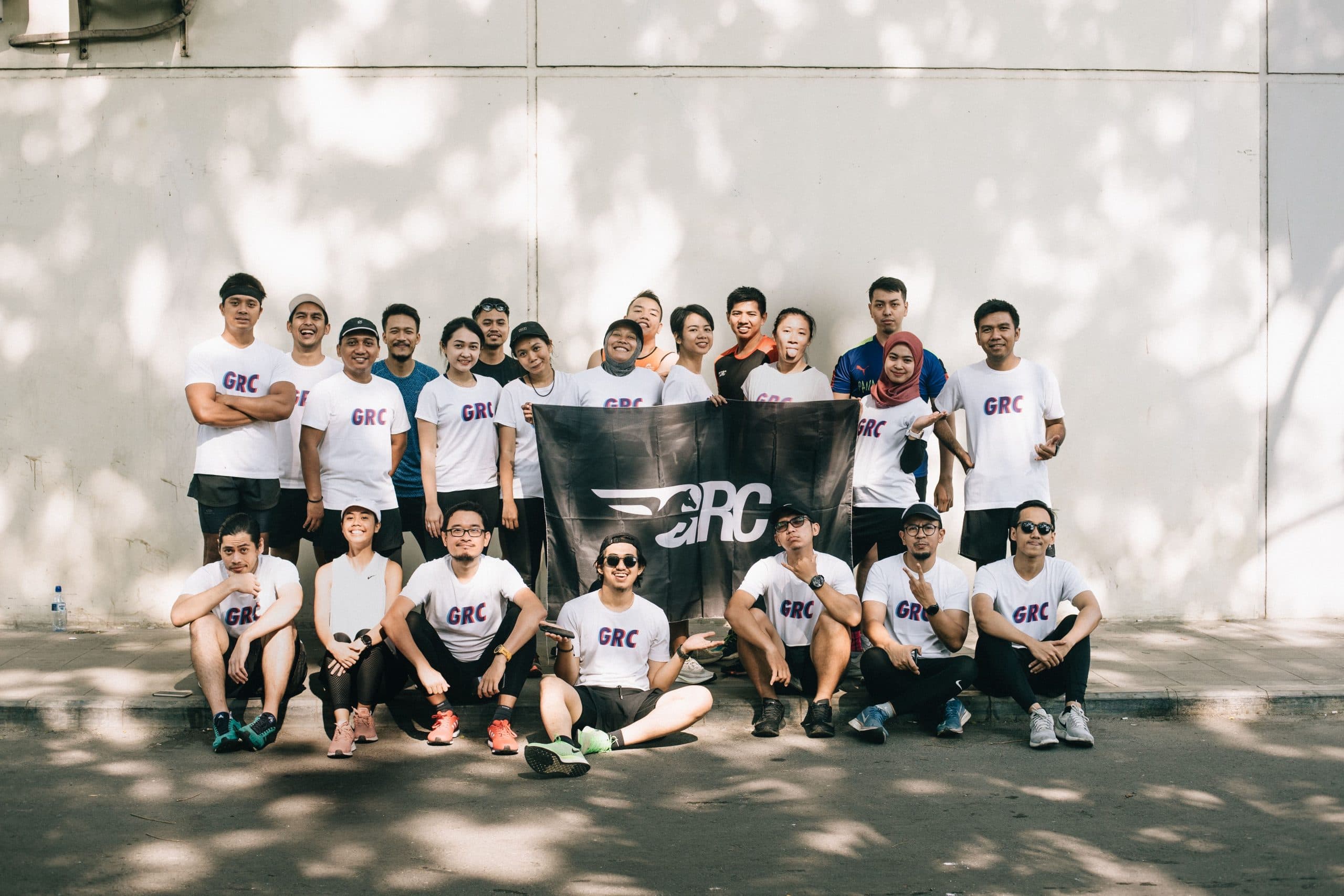
The North Zone Runs on Its Own Terms
There is a stadium in the North Zone of Rio de Janeiro that locals have always called Engenhão. Its full name is the Olympic Stadium Nilton Santos, named after one of the greatest Brazilian footballers to ever live, a man who himself came from the streets of Rio. It is around this landmark, and through the surrounding neighbourhoods, that Ghetto Run Crew has been moving since November 2013. Not jogging quietly along dedicated lanes in the Zona Sul, not performing wellness for an audience of tourists along the seafront at Ipanema. Running through the hood, through the streets that belong to the people who live there, as an act of presence and purpose. That distinction matters. Rio de Janeiro is a city of dramatic contrasts, and its running culture has long been associated with its famous southern coastal neighbourhoods, where the orla offers a flat, scenic, well-lit track stretching from Leblon to Flamengo. The North Zone rarely appears in those conversations. Ghetto Run Crew was not founded to correct that image for anyone else's benefit. It was founded because people in the North Zone wanted to run together, and because running together, it turned out, could mean something larger than fitness.It Started with Women and a Clear Aim
The crew began under a different name. In 2013, Gisele, a founder, and Junior, also a founder, helped bring together a group called Ghetto Running Girls. The intention was precise and unambiguous: to create a space where women from their neighbourhoods could open their minds, become aware of their own influence, and see their lives as capable of shaping the world around them. The idea was that by sharing histories, projects, and the simple physical act of running, more people, inside and outside those communities, would come to understand that process of self-recognition and collective growth. It worked. Women came. They brought their stories, their energy, and their friends. As the group grew, it naturally expanded beyond its original demographic. Different genders arrived. People from different backgrounds and different corners of the city started showing up. The name changed to reflect the new reality: Ghetto Run Crew, a name that carries its neighbourhood roots openly, without apology, as both a declaration and an identity. Underground is their mark, and they say so plainly.Respect and Transformation as Living Pillars
Ghetto Run Crew operates on two words that they return to again and again: respect and transformation. These are not slogans printed on a vest or hashtagged into oblivion. They are described as pillars, structural elements that hold everything the crew does upright. The crew promotes what they call the occupation of urban space, meaning the deliberate, collective presence of bodies from their community moving through streets that too often feel like they belong to other people, or to no one at all. Alongside that occupation comes an emphasis on the exchange of experiences, the interrelation of subcultures, and the preservation of values: love for the sport, love for others, and love for the place where they live. That last phrase is important. This is not a crew that runs to escape its neighbourhood. It runs to engage with it, to claim it, and to make visible the possibilities within it. For Ghetto Run Crew, the act of running is described as the quickest way to identify possibilities for change, not only in people but in the urban space itself, the environment in which they live and which they refuse to treat as a backdrop. This philosophy gives the crew a character that feels genuinely distinct from the wellness-first language that dominates so much of contemporary running culture. There is care here, but it is not the self-optimising kind. It is the kind directed outward, toward the street, the neighbourhood, the person running beside you.Captains Holding the Crew Together
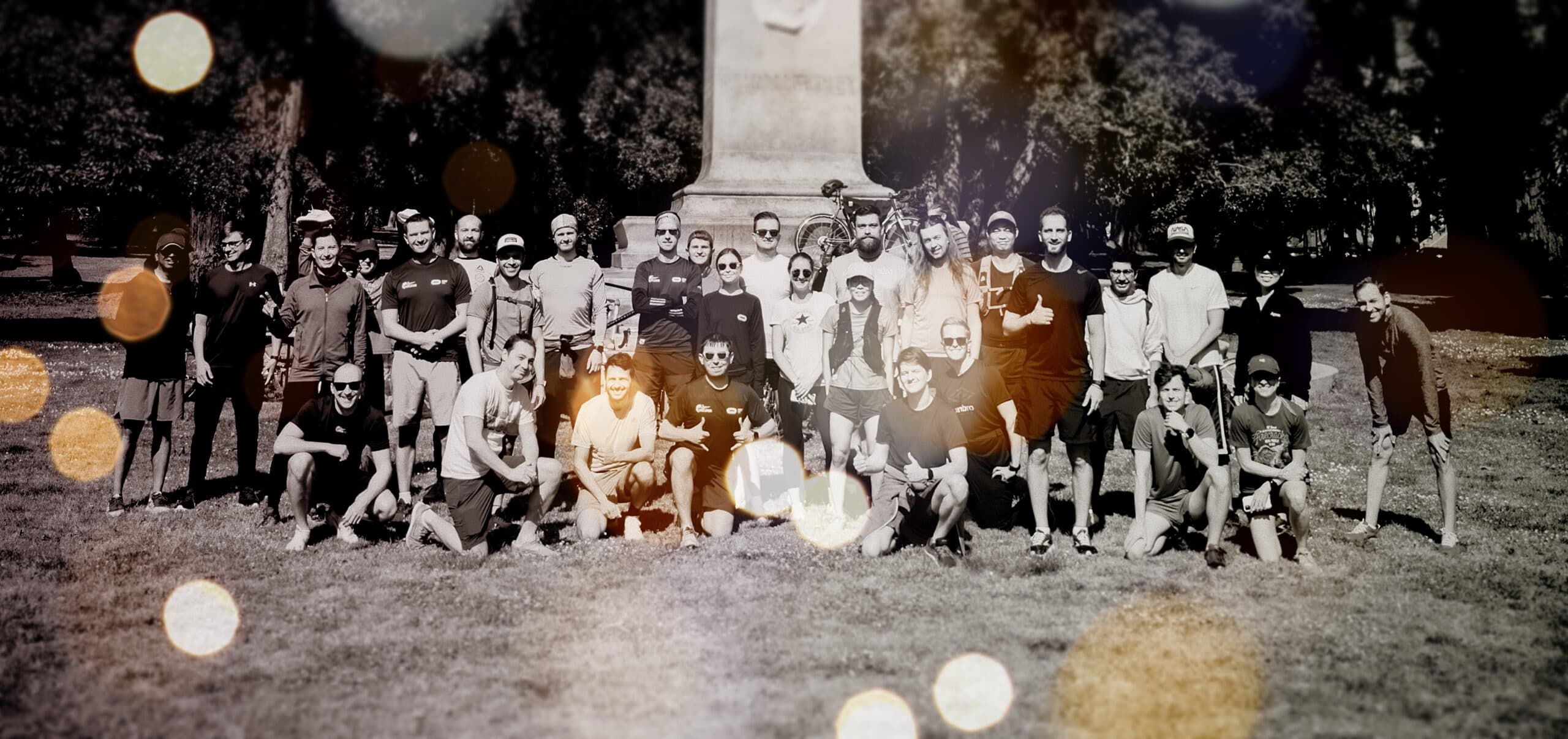
The day-to-day life of Ghetto Run Crew is shaped by the people who show up week after week and keep the energy moving. Tatiana serves as a captain, one of the key figures carrying the original spirit of Ghetto Running Girls forward into the crew's current form. Luiz is also a captain, part of the core that organises and anchors the crew's regular runs. Together with founders Gisele and Junior, they form the backbone of a group that now numbers around 20 members. Small enough that everyone knows each other. Large enough that the energy on a run feels collective, not solitary. That intimacy is part of the appeal. With around 20 people, there is no anonymity within Ghetto Run Crew. You are seen, you are known, and if you are new, you are welcomed without ceremony. The crew does not ask for registration forms, membership fees, or proof of athletic ability. Their invitation is as direct as the streets they run on: if you want to join, just come by. No sign-up required. No pace benchmark to meet. No prior experience necessary. You do not even need to have run a single mile before in your entire life.Two Runs, Two Corners of the North Zone
The crew gathers twice a week, each run anchored to a specific point in the North Zone that carries its own meaning. On Tuesday evenings at 8:30 in the evening, the meeting point is Santo Cristo, a historic neighbourhood in the port zone of Rio, an area undergoing slow and uneven transformation, with old warehouses, working-class streets, and a gritty, layered texture that suits the crew's aesthetic perfectly. Sunday evenings bring the group back to the Olympic Stadium Nilton Santos at 8 in the evening, the landmark that has orbited Ghetto Run Crew's identity since the beginning. Running near Engenhão on a Sunday night carries a particular kind of quiet, the stadium lit or dark depending on the football calendar, the surrounding streets settling into the slower rhythm of the week's end. The crew moves through that context with intention, occupying the space the way they have always occupied it: together, on their own terms, at their own pace. Neither run advertises a set distance or a required pace. The point is presence, not performance. The point is being out there, in the neighbourhood, with the crew.Underground as a Mark, Not a Metaphor
When Ghetto Run Crew says underground is their mark, they are not reaching for aesthetic cool. They are describing a genuinely independent, community-rooted operation that exists outside the mainstream circuits of sponsored road races and corporate running clubs. The crew does not run to accumulate medals or to prepare for a specific event calendar. They run because the street is there, and because occupying it together is an act with meaning. That orientation toward subculture and community exchange puts them in the company of a global tradition of running crews that emerged from hip-hop, skateboarding, and street culture, where movement was always tied to place and identity. In Rio's North Zone, that lineage feels organic. The neighbourhoods around Engenhão have always produced culture from the ground up, and Ghetto Run Crew fits naturally into that history without needing to announce the connection. Their Instagram presence reflects this sensibility: real people, real streets, real running. Not aspirational imagery, but documentation of what actually happens when a crew gathers on a Tuesday night in Santo Cristo or circles the stadium on a Sunday in the dark.Free Runners in the Fullest Sense
Ghetto Run Crew describes its members as free runners, and in doing so they are reaching for something beyond the parkour meaning of the term. Their freedom is not about physical stunts or obstacle courses. It is about the relationship between person and street, between community and city, between who you are when you start running and who you become because you kept running. They describe themselves as the result of being out on the street, not simply people who happen to be there. That framing captures something true about what long-term, consistent running in a specific place can do to a person. You learn the streets at a level that no map provides. You know where the pavement cracks, where the lighting cuts out, where the air smells different after rain. You build a bodily knowledge of the neighbourhood that becomes inseparable from your sense of who you are and where you belong. For the members of Ghetto Run Crew, that knowledge has been accumulating since November 2013, one Tuesday and one Sunday at a time, through a North Zone that keeps changing and that they keep claiming as their own.Featured Crew
R
RunningCrews Editorial
RunningCrews.com