 RunningCrews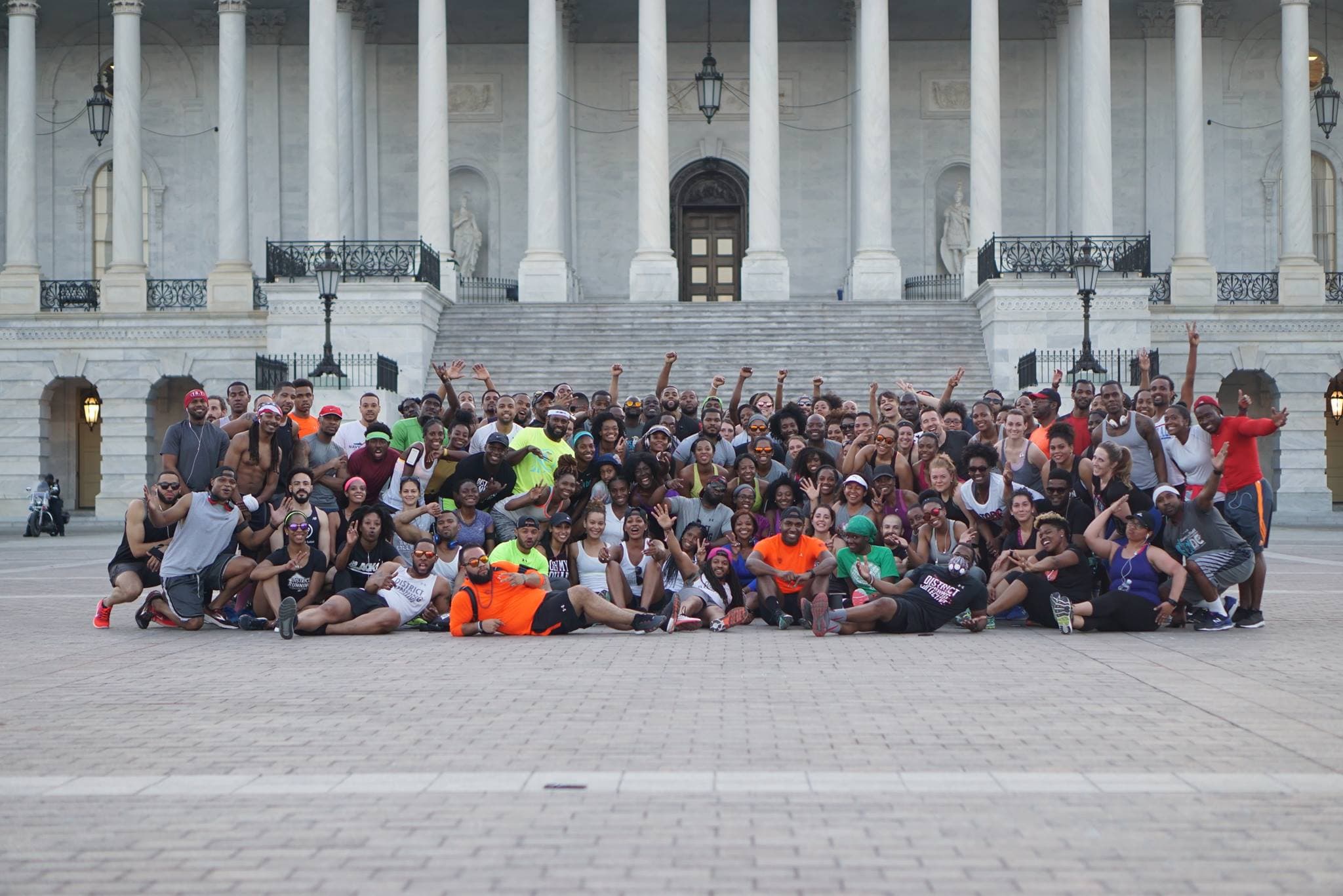
A Midnight Race That Started Everything
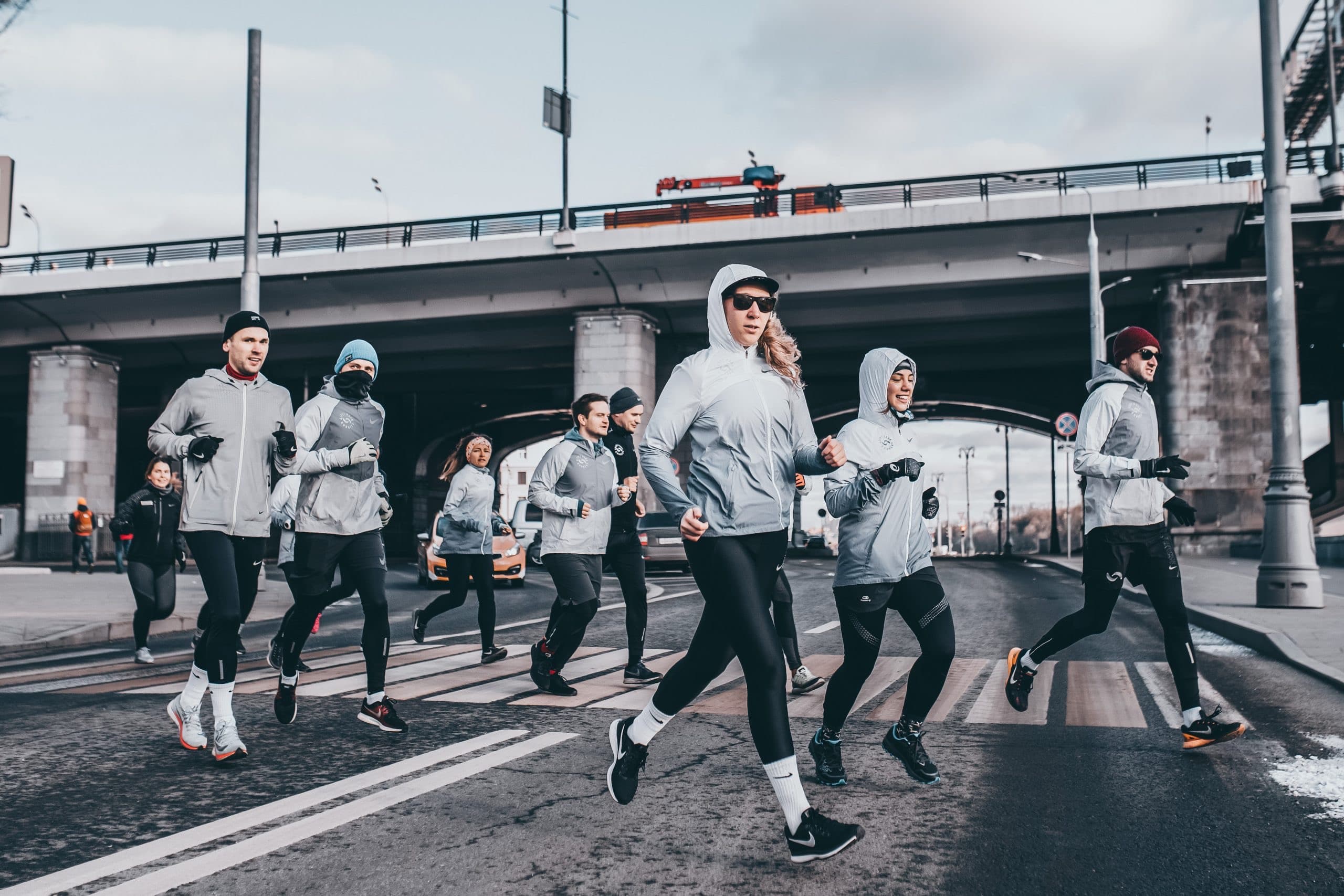
It was well past midnight when a hundred runners gathered on H Street and started moving through Washington, DC. No finish-line tape. No corporate sponsors lining the route. Just the quiet electricity of a city at night and a new idea about what a 5K could feel like. That event, the Midnight on Mars 5K, held in May 2013, was the first public statement by the District Running Collective, and it announced something the crew has been proving ever since: that running in a city like DC can be joyful, unexpected, and entirely your own. The H Street Corridor, stretching northeast from Capitol Hill into the heart of the city's most eclectic neighborhoods, made for an ideal debut stage. Runners who had never experienced their city from that vantage, at that hour, found themselves looking at familiar streets with new eyes. The route went beyond H Street too, pushing participants further into corners of DC they might have passed by on a bus or a bike, but never on foot. It was a night run, a community gathering, and a provocation all at once, a signal that District Running Collective was going to do things differently.Four Founders and a Gap in the City
The crew grew from a simple and honest observation. In early 2013, Taylor, Matt, Chaz, and Carlin looked at Washington's running landscape and saw something missing: a group that was genuinely open to all levels, one that would welcome the experienced road racer and the hesitant first-timer with equal enthusiasm. Other running clubs existed, certainly, but the stigmas attached to running, the unspoken pace hierarchies, the sense that you needed to already be a runner before you could join, had kept a lot of people on the sidelines. The four founders wanted to dismantle that. What they built was less a club in the traditional sense and more a platform for people to discover running on their own terms, surrounded by others doing exactly the same thing. That founding instinct has shaped every decision the crew has made in the years since, from which neighborhoods they run through to how they talk about the sport on social media. The Midnight on Mars 5K was not just a fun event; it was a proof of concept.Taking the Whole City as a Course
Following the success of their debut event, District Running Collective spent the remainder of 2013 hosting a series of special events and themed 5K races across Washington, building a reputation for runs that felt like experiences rather than workouts. Then, in January 2014, they took the next step. The crew launched weekly #runwithus runs, anchored out of The Coupe in Columbia Heights, a neighborhood that sits at one of DC's great demographic crossroads, where long-time residents and newcomers share the same sidewalks. Columbia Heights was not an accident. It was a choice that reflected the crew's commitment to representing the full breadth of the city they call home. The weekly runs gave District Running Collective a regular rhythm and a growing identity. From January through November 2014, more than 700 runners came out to join the crew on DC's streets. Some came once and kept coming back. Others told friends, who showed up and told more friends. The streets of the city became the course, the crew's captains and members became the support network, and each individual's progress became its own form of motivation. DC's geography provided everything the crew needed: long bridges over the Potomac, gradual hills through Capitol Hill and beyond, flat stretches along the National Mall.We Run the District
The phrase the crew runs on, WE. RUN. THE. DISTRICT., is not a marketing slogan. It is a statement of ownership, of belonging, and of civic pride. District Running Collective draws its identity from Washington, DC, not from the generic language of wellness culture, but from the specific character of a city with its own symbols, its own neighborhoods, and its own history. The crew references the DC flag, three stars and two bars, as a guiding emblem, and the gesture says something real: this crew is rooted in a place, accountable to a place, and proud of that place. Running clubs in many cities operate as social clubs that happen to run through their surroundings. District Running Collective treats the city itself as the point. The routes matter. The neighborhoods matter. The people who live along those routes matter. That orientation toward community extends beyond running. Through events, community service initiatives, and partnership engagements, the crew works to have a tangible, positive presence in Washington, DC, one measured not just in miles logged but in relationships built and perceptions shifted.Changing What It Means to Be a Runner
One of the things District Running Collective hears most often from newcomers is a version of the same sentence: I am not a runner, but I want to come out. The crew takes that sentence seriously, because they hear what is underneath it. Running carries associations that can feel exclusionary: certain body types, certain paces, certain gear, certain levels of prior commitment. District Running Collective's answer to all of that is to create an environment where none of those associations feel mandatory. The goal, as the crew puts it, is to make running feel less like a chore and more like a lifestyle. What that looks like in practice is a crew where the person finishing last is cheered as loudly as the person finishing first, where showing up matters more than how fast you go, and where the conversation before and after a run is as valued as the run itself. The result tends to surprise the self-described non-runners. The person who showed up once, unsure, ends up signing up for a half marathon a few months later. It happens regularly enough that it has become part of how the crew understands its own purpose.A Crew Built on Many Captains
The leadership structure of District Running Collective reflects the scale and ambition of what the founders built. Alongside founders Taylor, Matt, Chaz, and Carlin, the crew is steered by a deep roster of captains who each bring their own energy to the group. Michael, J Knight, Stephani, Clif, Brandon, Aaron, Carlos, Ashlee, Jason, and Corey form a leadership group that is itself a reflection of the community the crew aspires to build: diverse, energetic, and spread across the city's many distinct personalities. That distributed leadership matters. It means the crew is not dependent on one voice or one vision. It means different members can find a captain whose experience resonates with theirs. And it means the institutional knowledge of District Running Collective is held by many people, not just a few.Digital Community as an Extension of the Streets
From early on, District Running Collective recognized that what happens on the crew's Instagram is not separate from what happens on the roads. Social media, handled thoughtfully, is a way to show people the beauty of running before they have experienced it themselves. The crew has leaned into that idea, using photography and hashtags not to perform wellness for an audience but to invite people in. A well-composed photo of runners crossing a bridge at dawn does something that no amount of written encouragement can do quite as efficiently: it makes someone want to be there. The crew's digital footprint has helped them connect with runners across the United States and beyond, building a sense of shared purpose that extends past Washington's borders while remaining grounded in the city that gave the crew its name and its character.What the Crew Stands For Now
More than a decade after that first midnight run down H Street, District Running Collective operates from The DRC Space, a home base that gives physical form to the community the founders imagined in early 2013. The crew's membership program, weekly runs, races, and community service work all flow from the same foundational belief: that running, done together and done with intention, can change how people see themselves and how they see their city. Every hill climbed as a group, every bridge crossed at pace, every painstaking mile completed with someone running alongside you, accumulates into something larger than a training log. The crew's success, as they frame it themselves, is grounded directly in the successes of the individuals who make up the collective. When one runner pushes past a perceived limit, the whole crew moves forward. That reciprocal relationship, between individual growth and collective identity, is what has kept District Running Collective growing and relevant through more than a decade of Washington mornings, evenings, and the occasional midnight.Featured Crew
R
RunningCrews Editorial
RunningCrews.com