 RunningCrews
Designers Who Just Wanted to Run
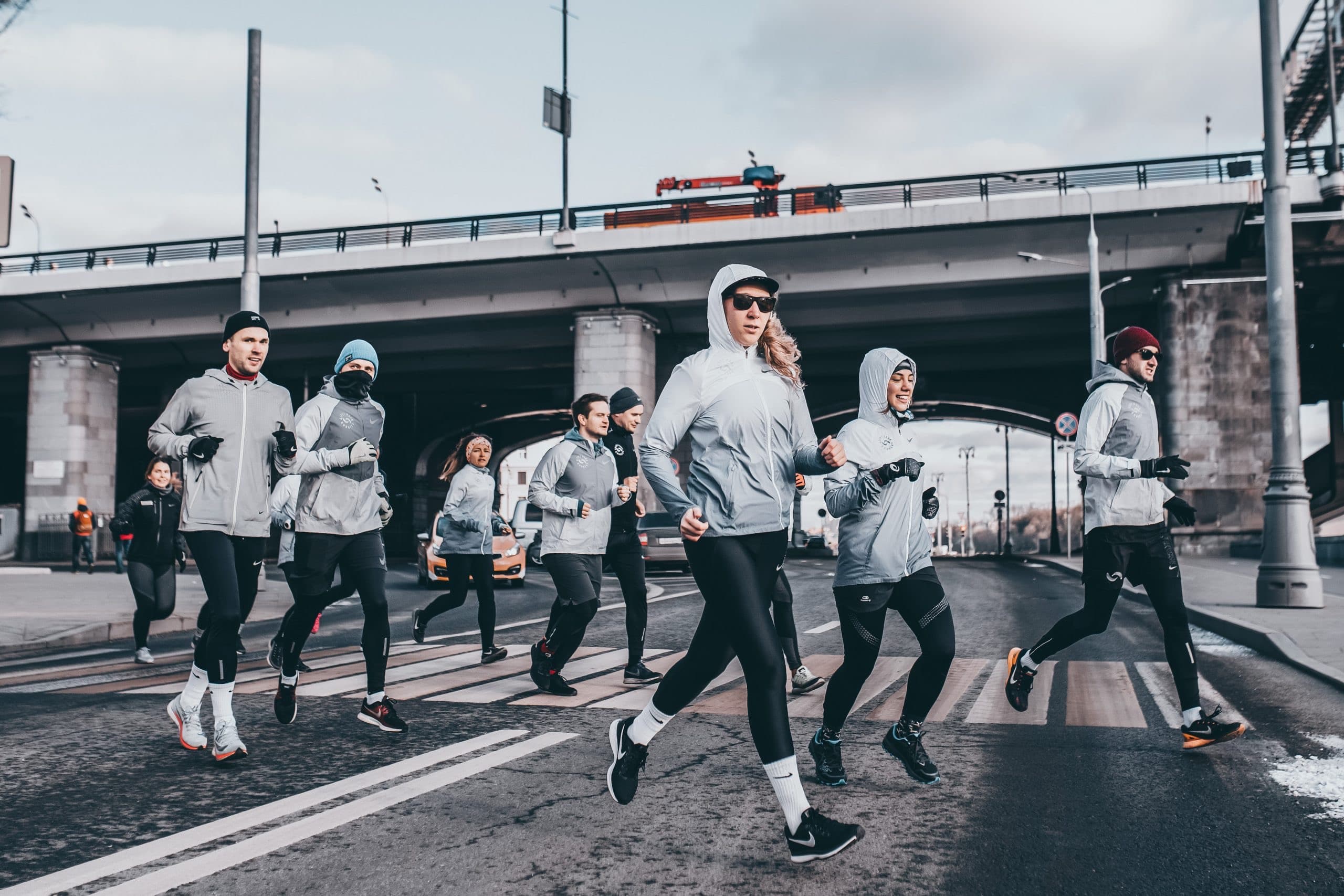
There is a phrase that captures everything about SRC Run Crew in three words: Run Party Party. It is not a slogan someone workshopped in a meeting room. It is a declaration of intent, a description of lived experience, and a small philosophy all rolled into one. Every run is treated as a party. Every finish line is an invitation to keep the night going. This is the idea that has held SRC Run Crew together since 2015, when a group of designers in Kobe decided that the running clubs around them were not quite what they were looking for and chose to build something of their own. The crew was founded by Takayuki, a designer who gathered a handful of creative friends and said, essentially: let us go for a run. What followed was not a structured programme or a training calendar. It was a series of nights out on the streets of Kobe, one run leading to the next, the group growing slowly as word spread among people who understood what the crew was actually about. The founding membership read like a studio directory: designers, people with an eye for detail, people who cared about how things looked and felt and sounded. That aesthetic sensibility never left the crew. It shaped everything from how they carry themselves on a run to how the night tends to end.An Urban Crew With a Creative Soul
SRC Run Crew makes a clear distinction between what it is and what it is not. It is not a traditional running club. The language matters here. A traditional running club implies timekeeping, categories, competitive hierarchies and a certain earnestness about the sport itself. SRC Run Crew operates from a different premise entirely. They describe themselves as an urban running crew, a collective of creative minds, and the distinction is not just semantic. It reflects a genuine difference in who shows up, why they show up, and what happens after the run ends. The shared interests that bring the crew together extend well beyond running. Music matters. Fashion matters. Design matters. The culture that surrounds the sport is as important as the kilometres themselves. This is a crew where a conversation about a new record or a piece of clothing is as likely to unfold on a run as a conversation about pace or route. The members bring their whole selves to the street, not just their athletic selves, and that texture is what makes a night with SRC Run Crew feel different from a Wednesday track session at a conventional club. Kobe itself is a fitting backdrop for all of this. The city sits at the edge of Osaka Bay, compact and cosmopolitan, with a long history of foreign influence that left its architecture and cultural life with a distinctly international character. It is a city of creative industries, of small studios and independent shops, of neighbourhoods where design and craft are taken seriously. For a crew founded by designers who wanted to run their own streets, Kobe is the right city in the right way. The harbour, the hillside streets of Kitano, the commercial energy of Sannomiya: these are not just backdrops but textures the crew runs through and against.Run Party Party and What It Really Means
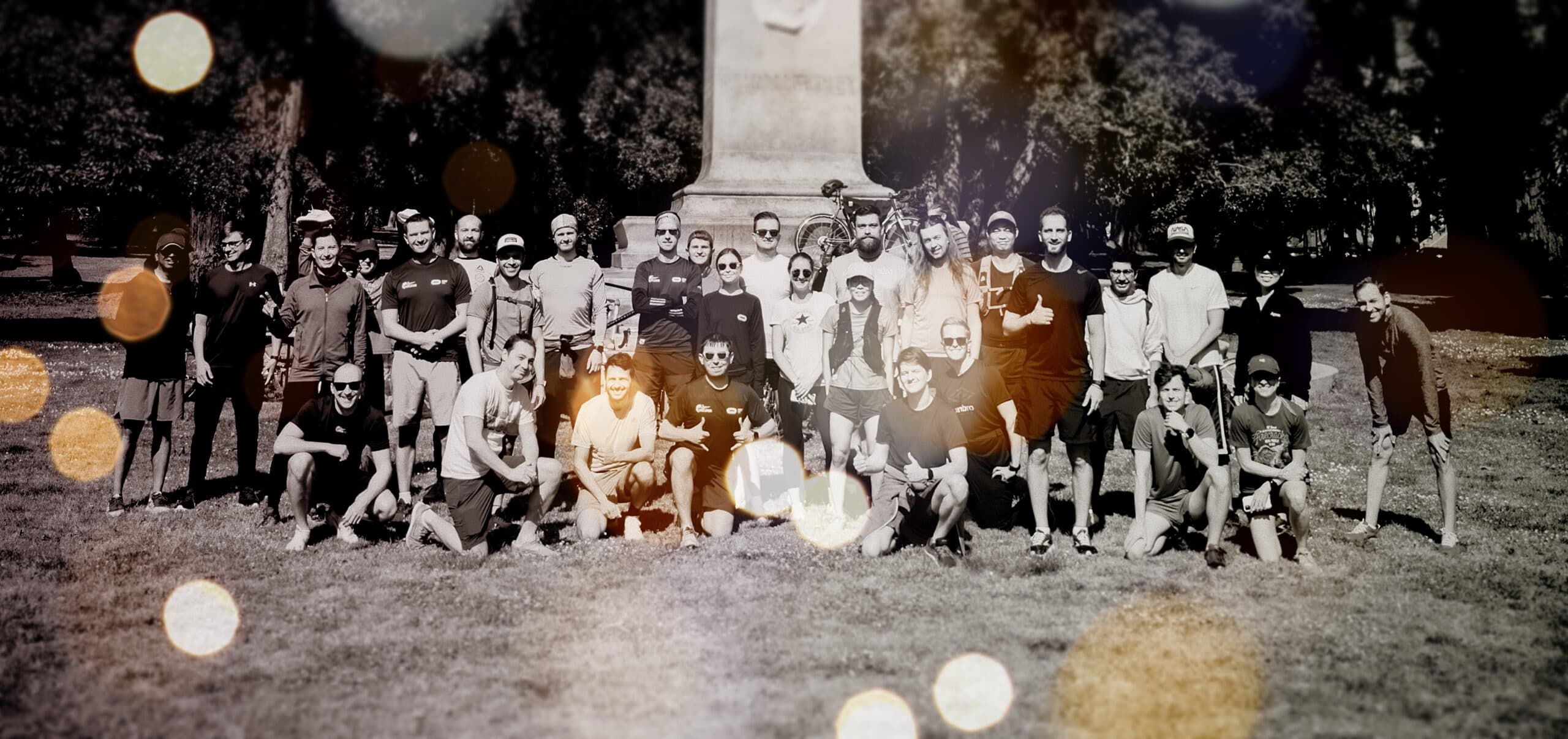
The Run Party Party concept deserves a proper explanation, because it is easy to misread it as a throwaway idea. It is not. The thinking behind it is that the act of running the city at night already has a certain energy to it: the lights, the movement, the feeling of claiming the streets for a few hours. SRC Run Crew leans into that energy rather than treating the run as a purely functional exercise to be completed before the real evening begins. The run is part of the evening. The streets are the venue. The party starts when the shoes go on. Then, when the run is done, the crew carries that momentum forward. Partying after the run is not a reward bolted onto a training session. It is a continuation of the same thing. Running the streets and partying on the streets: the repetition in the phrasing is intentional. The city is the constant. The crew moves through it in different ways across the night, but the context never changes. This is urban running at its most literal, a group of people inhabiting their city with intention and pleasure. Around fifty people make up SRC Run Crew, a number that feels right for what the crew is. Large enough to bring genuine energy to a night run, small enough that everyone knows who is there. Most members run during the week on their own, maintaining their own schedules and their own rhythms. The crew does not try to manage or monitor that. Individual running is personal. What the crew provides is the collective version: the shared miles, the shared streets, the shared night that follows.Wednesday Nights and the Rhythm of the Crew
Wednesday nights are when SRC Run Crew comes together for sprint work, a weekly run that starts at eight in the evening. The timing matters. Eight o'clock is late enough to belong to the night, to the city after work, to the Kobe streets when the daytime crowd has thinned and the energy has shifted. The pace is moderate, the distances short, and the format is social rather than competitive. You are not there to set a personal best. You are there to run with people who get it. Beyond the Wednesday sessions, the crew holds group night runs at least once a month, though the schedule stays deliberately irregular. There is no fixed calendar to follow, no advance booking system to navigate. Runs are announced when the time feels right, and the crew comes together around specific routes that shift depending on who turns up. Some routes are regulars, familiar enough to feel like home ground. Others change with the night, with the mood, with how many people are there and where they feel like going. This flexibility is not a lack of organisation. It is a reflection of the crew's character: loose enough to breathe, committed enough to keep showing up.Who Belongs Here
The entry point for SRC Run Crew is deliberately accessible. If you can run at least five kilometres, you are welcome to join a run and see what it feels like. No time requirements, no prior experience with crew running, no audition. The door is open. What the crew is looking for, though, when it comes to the deeper belonging that the crew calls crew love, is alignment of a different kind. Not athletic alignment but cultural alignment. A shared vision of urban running as something more than exercise. An understanding that the movement and the music and the fashion and the party are all part of the same thing. An appreciation for Kobe's streets as a proper stage, not just a surface to train on. These are not qualities you can measure in split times. They are qualities that become apparent on the first run with the right people, when the conversation flows as naturally as the kilometres and nobody wants the night to end. Takayuki built this crew from a small group of designers who simply wanted to run together in a way that felt true to who they were. A decade on, SRC Run Crew is still doing exactly that: fifty people on the streets of Kobe, running hard and going long into the night.Featured Crew
R
RunningCrews Editorial
RunningCrews.com