 RunningCrews
Seoul Seen from the Soles Up
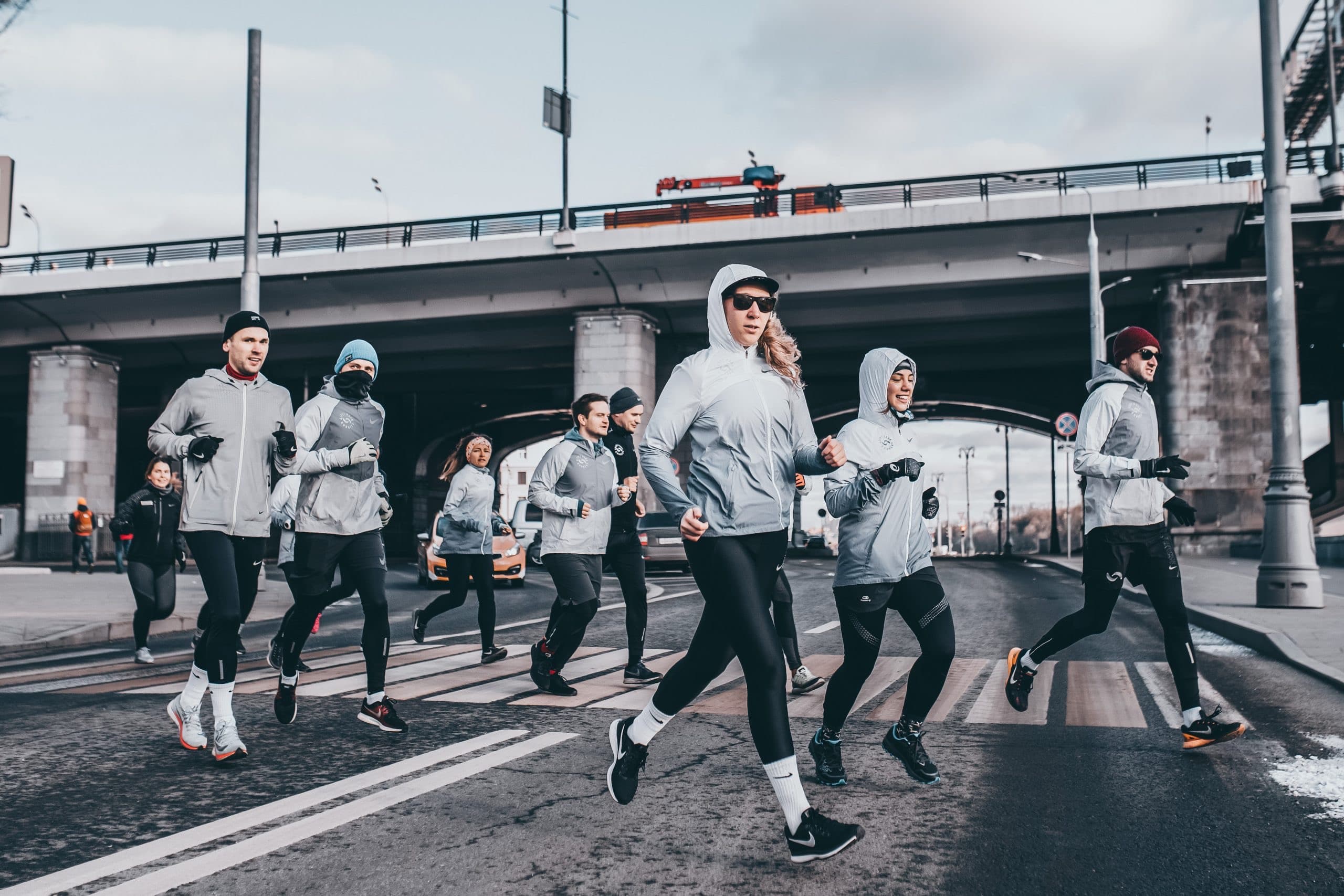
Most people discover Seoul through its food stalls, its rooftop bars, its subway maps. The crew behind RunSeoul discovered something else entirely: that the truest way to understand a city is to run it. Not to race through it, not to photograph it from a tour bus, but to move through its streets at the pace where you can feel the concrete change underfoot, where a corner market becomes a landmark, and where a bridge over the Han River at dawn stops being infrastructure and starts being something close to beautiful. That is the idea RunSeoul was built around, and it has shaped everything the crew does since the very first time they headed out together. Seoul is a city of contrasts that reveal themselves slowly. The ancient gates of Gwanghwamun stand a few hundred meters from glass towers. Bukhansan National Park rises behind apartment blocks. The Cheonggyecheon Stream, once buried under an elevated highway, now runs openly through the heart of the downtown area, lined with willows and frequented by herons. For a running crew committed to showing what Seoul really looks like, these contradictions are not a challenge but a gift. Every run is a new argument for why the city deserves to be explored on foot, and why the best views are never the ones from a observation deck.A Project Built for the Curious
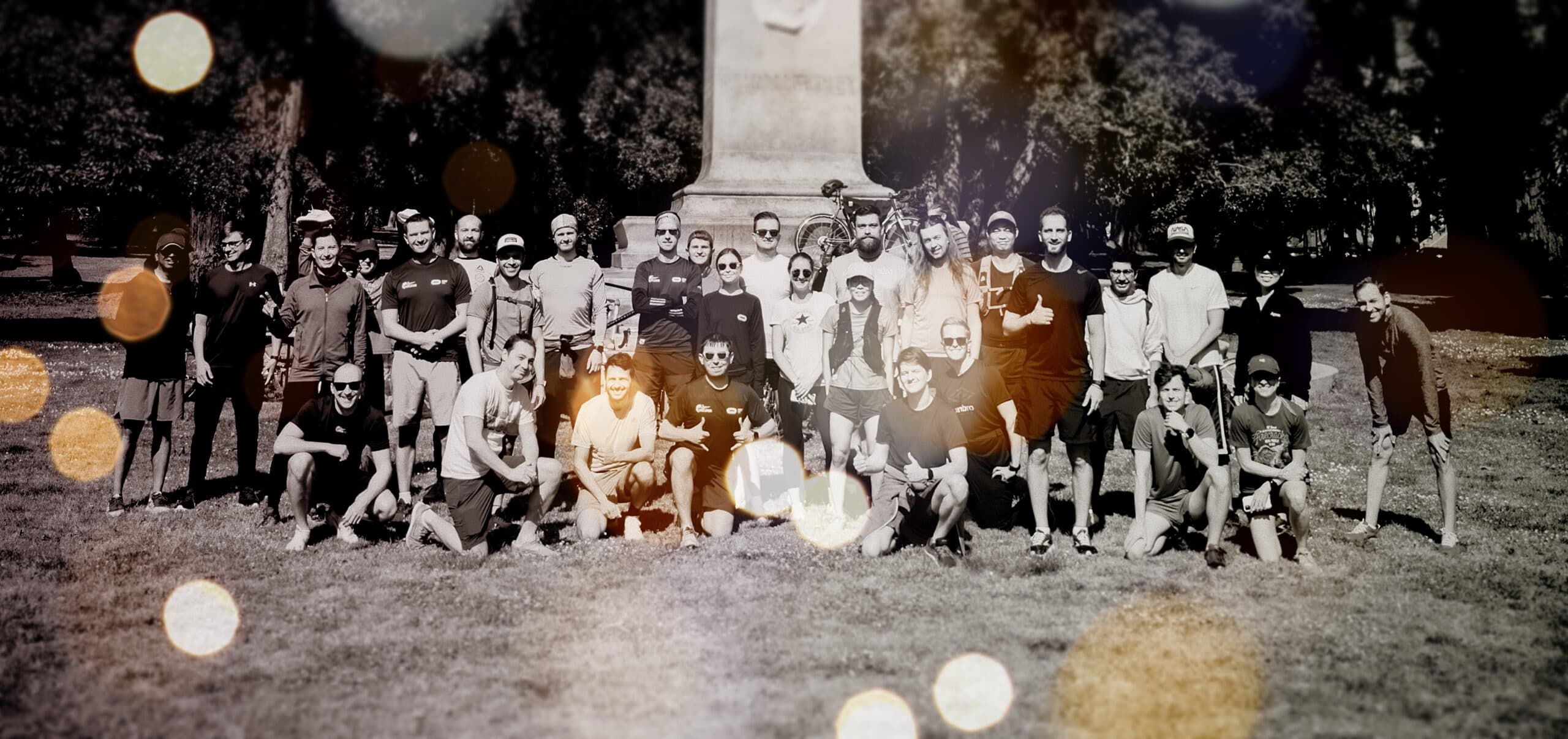
RunSeoul describes itself as a running project, and the word project is deliberate. This is not a passive club where people show up, complete a lap, and go home. There is an intention behind it, a sense that every run is also a kind of curation. The crew's stated purpose is to show their city to visitors from abroad, which means that each outing carries a small responsibility: to represent Seoul honestly, generously, and at the right speed. That ethos shapes the atmosphere on every run. There is always room for someone who has just landed at Incheon and wants to understand the city beyond its tourist circuits. There is also always room for the long-term resident who thinks they know every block but keeps finding new ones. The crew runs every week, maintaining a consistency that matters in a city that often feels relentless. Seoul does not slow down for anyone. But RunSeoul keeps its own rhythm, carving out a regular window in the week where the point is simply to move through this extraordinary place together. That regularity creates something valuable: a reliable ritual in an unpredictable city, a fixed point that both locals and travelers can orient themselves around.Running as a Form of Hospitality
There is something quietly radical about the way RunSeoul frames its purpose. Most running crews talk about fitness, community, or personal goals. RunSeoul talks about showing people their city. That shift in perspective, from inward to outward, from personal achievement to collective discovery, gives the crew a character that feels genuinely different from a standard running club. When hospitality is the organizing principle, the dynamics change. You pay attention to whether someone is keeping up. You point things out. You slow down at a viewpoint not because your pace requires it but because the view does. This approach makes RunSeoul a natural meeting point for Seoul's international community, which is large, transient, and often hungry for connection beyond the expat bar circuit. Seoul hosts a significant number of long-term foreign residents, short-term workers, exchange students, and tourists who find themselves wanting something more immersive than what a travel app can offer. A weekly run with people who know the city well, who can point to a neighborhood and explain what it was twenty years ago and what it is becoming now, is a remarkably effective way to arrive somewhere. RunSeoul offers exactly that, week after week, without fanfare.The City as the Course
Seoul's geography is unusually generous to runners. The Han River running parks, which stretch along both banks of the river for dozens of kilometers, are among the most consistently used public running spaces in Asia. They are flat, well-lit, and connected by bridges that allow for loops of almost any length. On weekend mornings, they fill with runners of every speed and description. Then there are the mountain trails: Bukhansan and Namsan and Achasan offer technical, rewarding ascents that feel worlds away from the urban density below, even though they are accessible by subway. Gangnam's wide boulevards, the dense alleys of Hongdae, the quieter residential streets of Mapo, the elevated Seoullo 7017 walkway threading above the city center, each of these presents a completely different face of Seoul. A crew with RunSeoul's mission has an essentially unlimited supply of routes. The city keeps changing too. New neighborhoods develop, old ones are renovated, and the skyline shifts just enough each year that even a route you have run a hundred times offers something new if you look up at the right moment.Open Roads, Open Doors
RunSeoul's presence on Instagram is where most people first find them, often while planning a trip to South Korea or shortly after arriving. The crew's approach to social media mirrors its approach to running: it is outward-facing, inviting, and rooted in a genuine desire to share the city rather than to build a brand. Following the account means following Seoul itself, through the eyes of people who run it every week and have not stopped being surprised by it. For anyone visiting Seoul, or living there and looking for a way to move through it with people who care about where they are going, RunSeoul is a straightforward answer. You do not need a particular pace or a particular background. You need a pair of shoes and some curiosity about what the city looks like when you stop standing still. The crew heads out every week, and the invitation is open. Seoul is a city that rewards the people willing to move through it, and RunSeoul has been making that case one run at a time.R
RunningCrews Editorial
RunningCrews.com