 RunningCrews
Where the City Meets the Limit
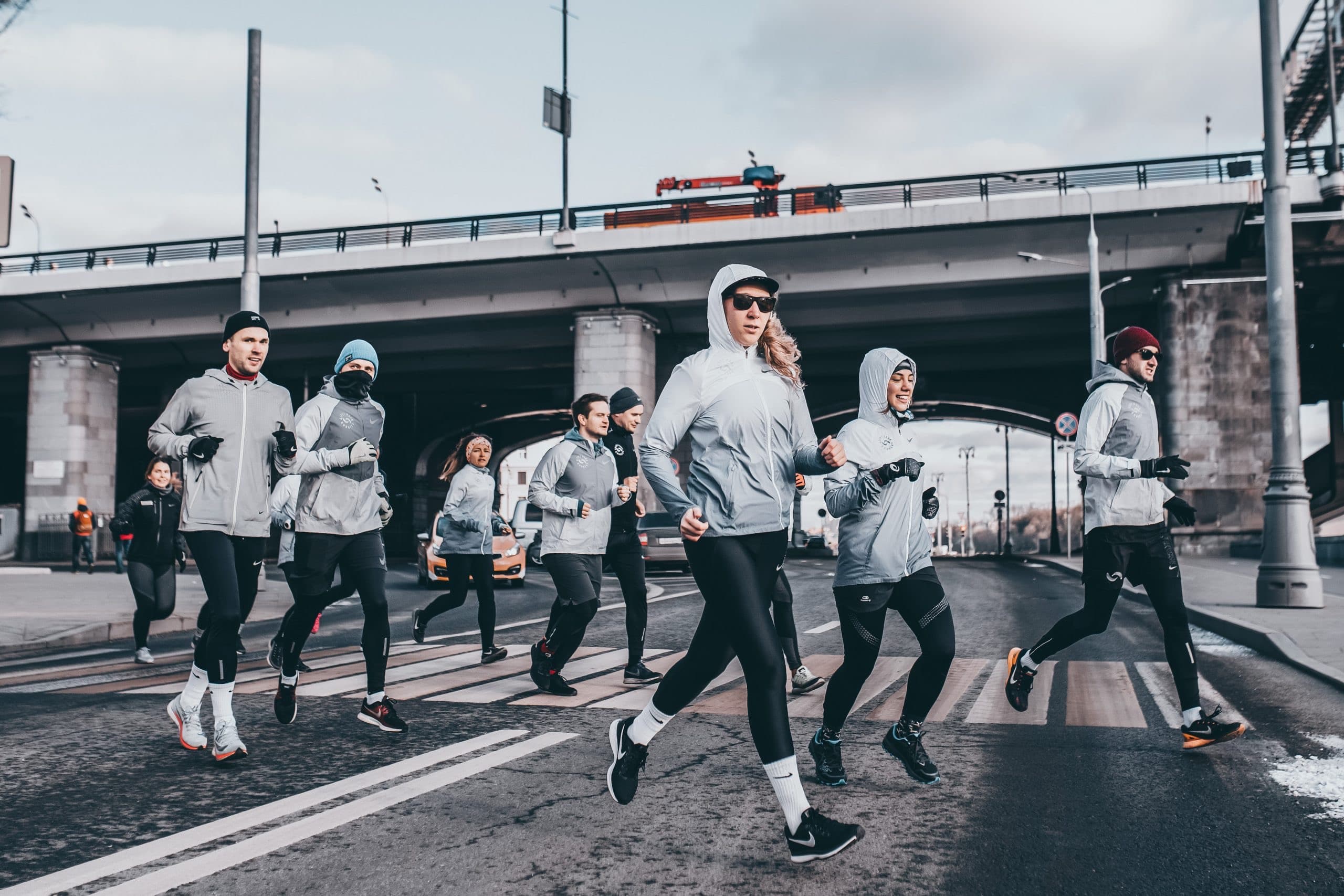
São Paulo does not slow down. It sprawls, it presses, it accelerates, and somewhere inside that ceaseless urban machine, a group of runners decided that the chaos of the city was not a reason to stop moving but a reason to move with more intention. RUNderground emerged from that conviction. Not as a reaction against the city, but as a response to it, a way of carving out space for the body and the mind inside one of the most demanding metropolitan environments on the planet. The name itself says something important. Underground suggests depth, subcultural roots, something that moves beneath the surface and refuses to be contained by what is visible or conventional. For this crew, running is not a sanitised leisure activity dressed up in corporate branding. It is a practice, a lifestyle, and at times a form of resistance. The founding idea behind RUNderground was straightforward and honest: to spread the pleasure that running provides. Not the obligation of it, not the metrics, not the competitive pressure that can sometimes make sport feel like work. Pleasure. That word matters. It sits at the centre of everything the crew does, from how they approach a training session to how they think about longer distances and tougher terrain. São Paulo is a city where pleasure can be hard to protect. The commute swallows hours. The noise never fully stops. Routines calcify. RUNderground exists, in part, to break that calcification and to remind its members that the body is capable of something extraordinary when given the chance to move freely.Running as Lifestyle, Not Just Sport
What separates RUNderground from a casual jogging group is the way its members think about the relationship between running and the rest of their lives. The crew speaks openly about lifestyle and health as twin pillars of their project, and that framing is deliberate. Running, for them, is not something that happens in isolation on a Tuesday evening and then gets filed away until next week. It bleeds into choices about sleep, nutrition, recovery, and mindset. It shapes the way members carry themselves through the rest of their hours. This integration of sport into the full texture of daily life is what gives the crew its particular coherence and its sense of shared purpose. There is also a philosophical edge to the way RUNderground positions itself. The crew describes its members as opinion leaders, people who go against preconceptions and fight for their space. That language is not accidental. São Paulo is a city of enormous social and cultural complexity, and running culture here does not exist in a vacuum. To claim space as a runner, to assert that your lifestyle has value and that your choices deserve respect, is itself a kind of statement. RUNderground makes that statement collectively, and the solidarity of doing so together is part of what binds the group.Every Kilometre Won Against the Mind
The crew is candid about the psychological dimension of long-distance running. They talk about facing the pain, about fighting the internal voice that urges you to stop, about the battle that happens inside the head during those difficult middle kilometres of a long run. This honesty is refreshing. Much of the language around running culture tends toward the celebratory and the aspirational, glossing over the genuine difficulty of pushing the body further than it wants to go. RUNderground does not gloss over anything. They acknowledge that it is hard, that discomfort is real, and that the victory at the end of a challenging run is meaningful precisely because it was earned through struggle. That psychological realism extends to how the crew thinks about progress. The goal is not to perform for anyone else. It is to run longer distances, to reduce personal times, to arrive at a finish line knowing that something real was given to get there. Every personal victory, as the crew frames it, is a reason for gratitude. There is something quietly powerful about a group of urban runners who speak about thankfulness in the context of sport. It suggests that the running has become genuinely meaningful to them, that it provides something that the rest of city life does not always offer: a clear reckoning with effort and its rewards.Beyond São Paulo, Toward Extreme Places
RUNderground has always looked beyond the familiar routes of São Paulo's neighbourhoods toward something more demanding. The crew talks about running in extreme places, crossing borders, overcoming difficulties. This is not idle aspiration. It reflects a genuine orientation toward challenge and expansion, a desire to test what the body and the group are capable of when the terrain gets harder and the distances grow longer. For a crew rooted in a megacity, the pull toward mountains, trails, and unfamiliar landscapes makes sense. São Paulo offers density and energy, but the extreme places that RUNderground seeks are found where the city falls away and the physical world reasserts itself in rawer form. This outward ambition also reinforces the community that the crew has built. Training together for longer, more demanding runs creates bonds that a comfortable 5K around the park simply cannot generate. When you have suffered through the same difficult kilometres with someone, when you have both reached for the same finish line through the same exhaustion, the connection between you is different. RUNderground understands this. The shared difficulty is not incidental to the crew's identity. It is central to it.A Healthier Life for Everyone Who Shows Up
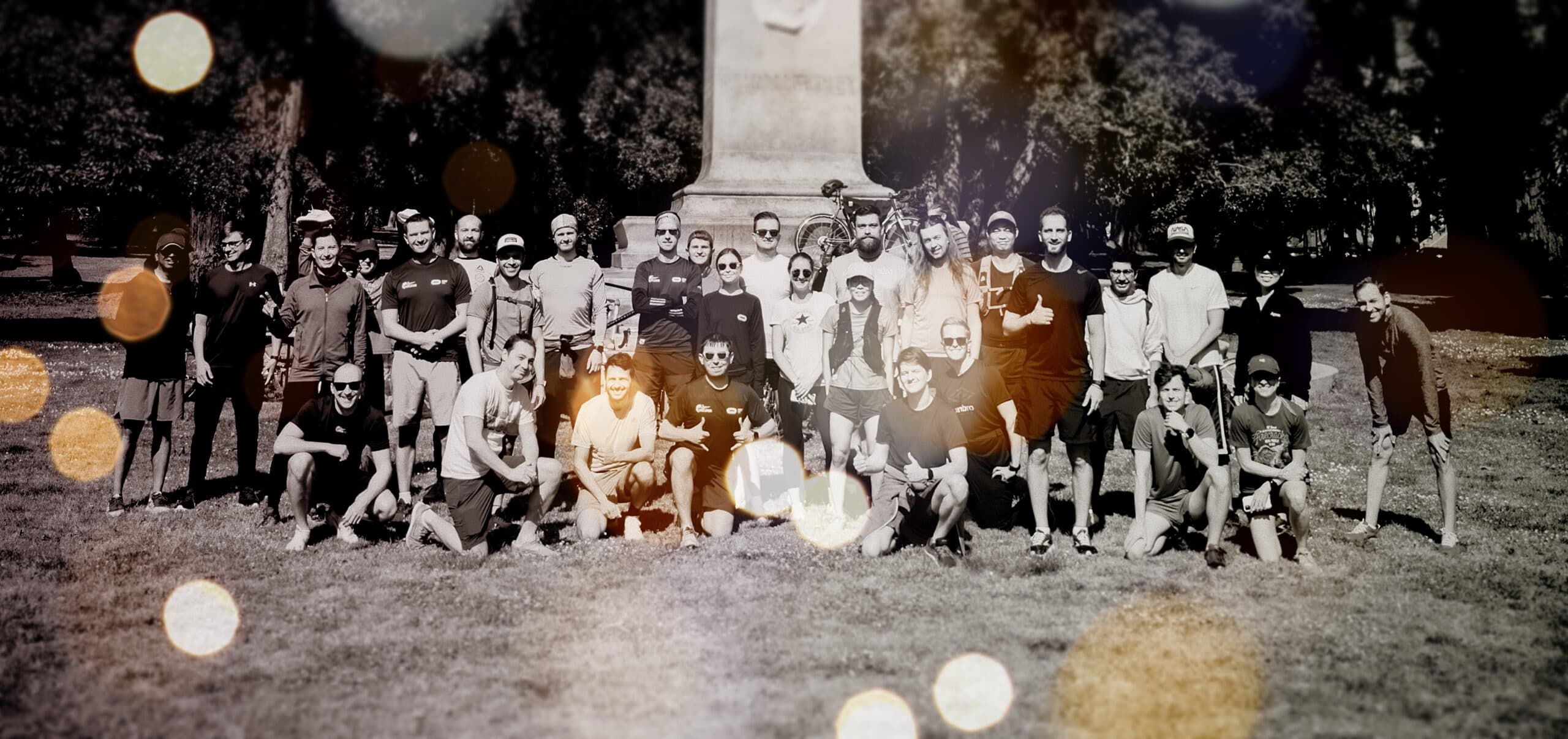
The crew frames their work as a project, and that framing is worth taking seriously. A project implies intention, duration, and a commitment to something beyond the immediate moment. RUNderground wants to provide a healthier life not just for its members but for all who support the project, which is a notably generous way of thinking about what a running crew can do. It suggests that the crew sees itself as having a role in the broader community, that the habit of running and the values it carries can ripple outward from the group into the lives of the people around them. In a city the size and scale of São Paulo, that kind of community-building matters. The city can be isolating despite its density. Finding a group of people who share your values and your willingness to suffer a little in the name of something healthy and meaningful is not something everyone manages to do. RUNderground offers that. It offers a structure, a set of shared beliefs, and a collective momentum that makes individual commitment easier to sustain. When you know that others are out there moving through the same streets and the same psychological battles, the discipline required to keep going becomes a little less lonely.The Ongoing Work of Running Together
Running crews in cities like São Paulo are doing something that deserves more recognition than it usually receives. They are taking a fundamentally individual activity and reshaping it into something communal, accountable, and culturally resonant. RUNderground has built its identity around the pleasure of running, but pleasure here is not passive or easy. It is the pleasure that comes from pushing through difficulty, from choosing health over convenience, from showing up for yourself and for the people around you. That kind of pleasure has to be worked for, and the crew knows it. The roads and trails around São Paulo are wide enough for all of them. And for anyone curious about what it feels like to run with a group that takes both the joy and the difficulty of the sport seriously, RUNderground is worth following. Find them on Instagram at rundergroundsp, where the crew documents its runs, its distances, and the ongoing story of a group of people choosing to move through their city and their lives with a little more intention.Featured Crew
R
RunningCrews Editorial
RunningCrews.com