 RunningCrews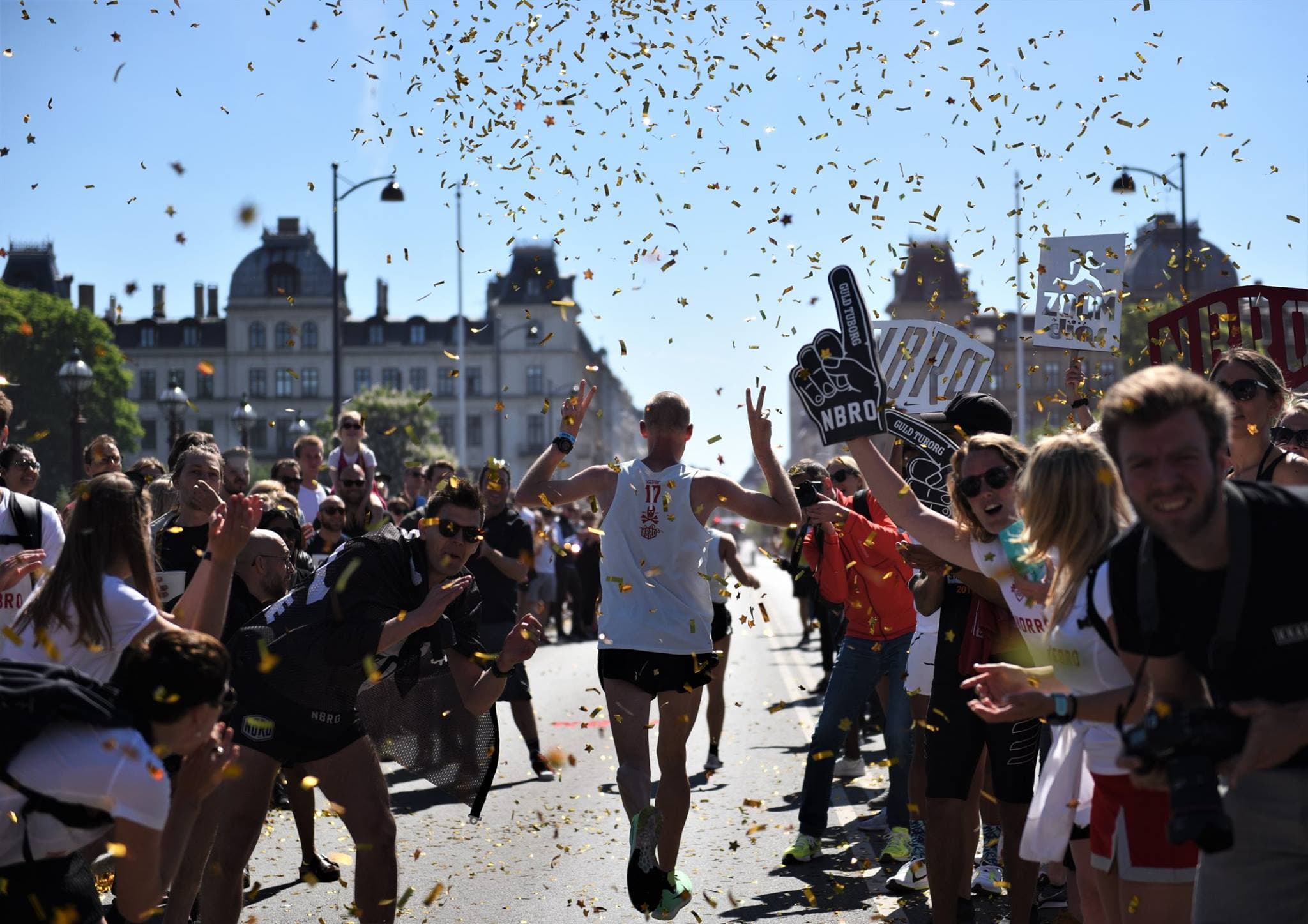
The whole thing started with a challenge. In the autumn of 2010, a group of friends from Nørrebro entered Nike's "Run Your City" competition in Copenhagen, won it, and found themselves unexpectedly, genuinely hooked on running. That might sound like a small thing, but from that single shared experience grew one of the most recognisable running crews in Europe. NBRO Running was not designed on a whiteboard or built around a business plan. It grew the way most good things do: organically, from friendship, from a neighbourhood, and from the pleasure of doing something together that nobody had planned to love.
A Neighbourhood Baked Into the Name
The crew takes its name from Nørrebro, the dense, diverse, and endlessly characterful quarter of Copenhagen where the founding group lived and ran. Nørrebro is not the prettiest part of the city by postcard standards, but it has a texture and energy that the more polished neighbourhoods lack. It is a place of small bars, independent shops, and streets that feel lived in. Running through it in the early mornings or on weekday evenings, you understand immediately why a crew built here would carry a certain edge. Karl-Oskar, co-founder of the Copenhagen clothing label Wood Wood, was the crew's original driving force. Alongside him stood Mike, Anders, Troels, and Jacob, five people whose shared enthusiasm turned a competition win into something with real staying power. When Karl-Oskar's schedule eventually pulled him away from regular runs, he went on to found the premium cycling brand Pas Normal Studios. Jacob stepped up to keep the crew moving forward. Anders has remained a constant presence across more than a decade, one of those quiet anchors that every lasting crew depends on.Style, Speed, and a Deliberate Attitude
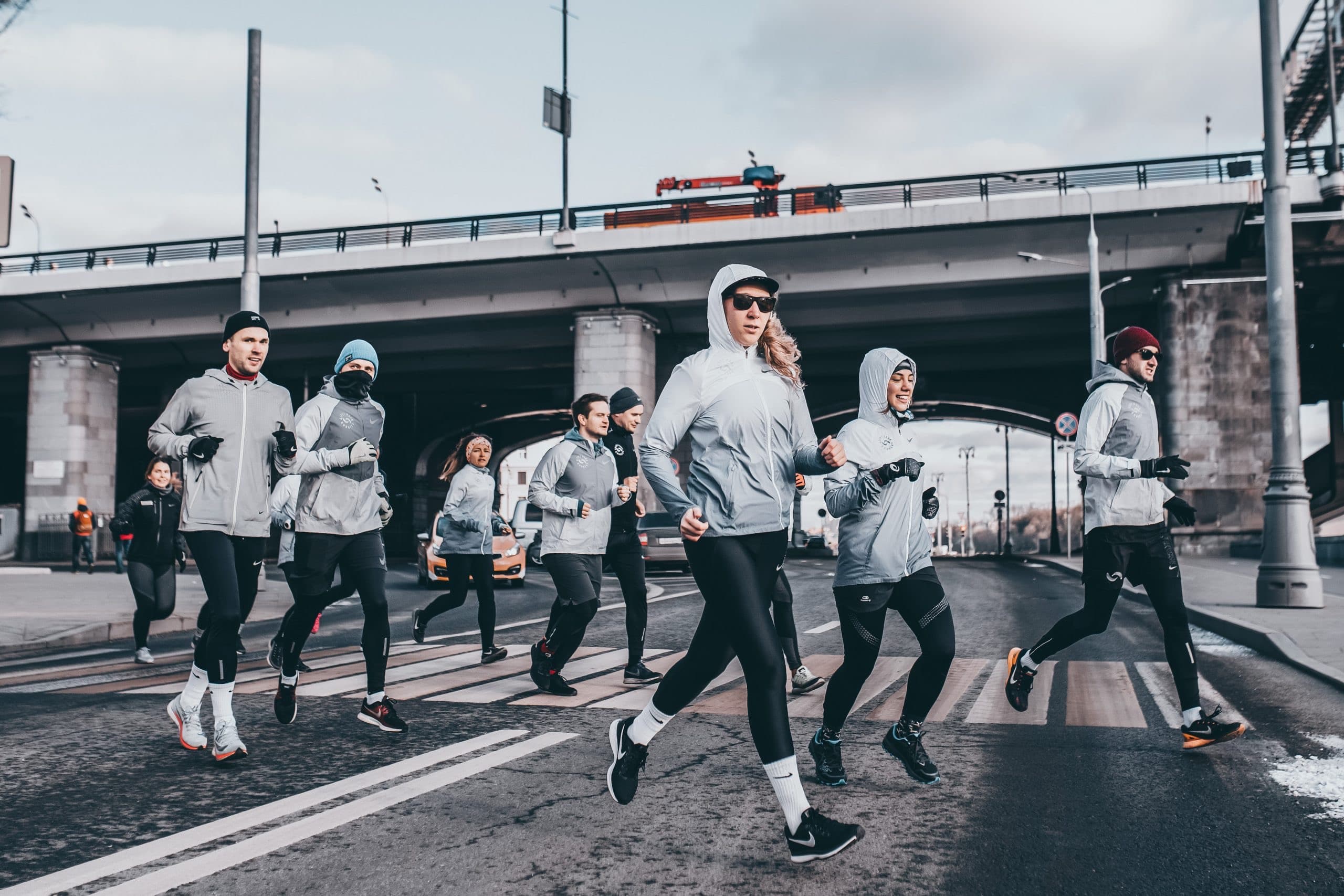
From the start, NBRO Running had a visual identity that set it apart from the recreational running clubs that already existed in Copenhagen. Members ran in black, with the NBRO logo visible and deliberate. There was nothing accidental about the aesthetic. The crew drew on the design and streetwear sensibilities of its founders and reflected back a version of running that was urban, confident, and indifferent to the conventions of the sport. This was not a club for people who wanted to train quietly for their next 5K. It was for people who ran hard, who cared about music and culture and style, and who happened to also love covering ground on foot. That attitude attracted exactly the kind of members who would sustain it. Around 2010, similar crews were forming in other cities without any coordination between them. Bridge Runners in New York and Run Dem Crew in London were arriving at almost the same conclusions independently. When these groups found each other, the "Bridge the Gap" movement emerged, a loose but meaningful network of urban running crews united by shared values rather than formal structure. NBRO Running was part of that conversation from early on, and its influence spread well beyond Denmark.Who Actually Shows Up on a Monday Night
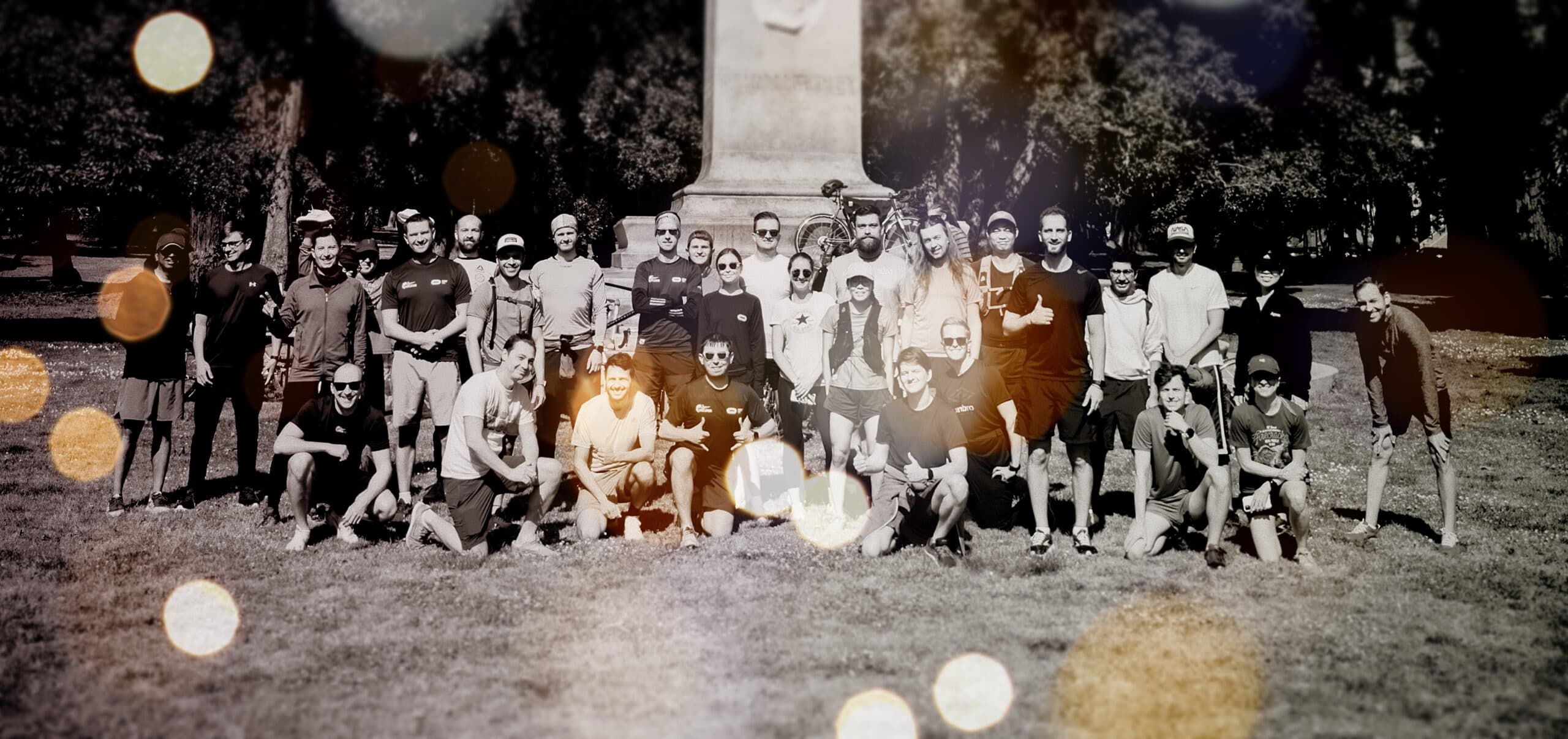
One of the more quietly remarkable things about NBRO Running is the range of people who make up its roughly 200 members. Doctors run alongside car mechanics. Architects keep pace with students. Lawyers and biologists share the same stretch of lakeside path on a Thursday evening. The crew has never marketed itself as inclusive in any programmatic sense; it simply never set up barriers, and the result has been a membership that cuts across Copenhagen's social geography in ways that most institutions cannot manage. The running itself does part of the work. When the group assembles at Søpavillonen and heads out together, the usual coordinates of professional identity and social status become temporarily irrelevant. What matters is whether you can hold the pace and whether you show up again next week. That simplicity is part of what has kept the crew coherent across fifteen years and multiple shifts in membership.Seven Sessions and a Lakeside Coffee Shop
The crew's home base is Søpavillonen, a coffee shop set on the edge of Copenhagen's lakes, with the kind of view that makes arriving early feel like a reward rather than a logistical necessity. Almost every NBRO run begins and ends here, which means the location has become part of the crew's identity as much as the routes themselves. The weekly schedule runs across seven sessions, each with its own character. Monday evening brings Bloody Monday, a high-intensity 15-kilometre effort that starts the week at full volume. Tuesday morning offers the Early Bird, a 10-kilometre run out to Frederiksberg Have and its hills, usually followed by coffee. Tuesday evening shifts the register with a more relaxed 13-to-15-kilometre run for legs that are either tired or just not ready to be pushed. Wednesday is track night, fast kilometres on the blue track with no assigned groups and a serious commitment to speed. Thursday is Social Thursday, the session the crew sometimes calls Little Friday, a pace-flexible run that tilts toward conversation as much as effort. Friday morning begins at 06:45 with a 10-to-12-kilometre run at a steady pace, the kind of session that sends people into the weekend feeling ready for it. Saturday rounds the week out with the long run, Longshot Saturday, 20 kilometres with coffee or beer at the finish. That combination of volume and variety is part of why NBRO Running has held its membership through the full arc of people's running lives.Running the City Itself
Copenhagen rewards the runner in ways that are easy to take for granted if you live there and impossible to ignore if you are visiting. The paths along the lakes, the stretch of water that threads through the inner city between Nørrebro and Frederiksberg, offer a flat and scenic route that NBRO members have covered thousands of times without it feeling routine. Frederiksberg Have, a formal park of manicured gardens and gradual hills, gives the early Tuesday run its structure and its quiet beauty. The city's cycling infrastructure, which is famous enough that people write books about it, has an unexpected benefit for runners: the roads are calmer, the air is cleaner, and the streets feel designed for human movement rather than car throughput. Running here at dawn or in the long summer evenings, when the light sits low and gold over the water, is something that stays with you. NBRO Running has been navigating these streets and paths for fifteen years, and the routes carry the weight of all those hours.A Legacy That Kept Growing
NBRO Running turned fifteen in 2025, which is a long time for any voluntary community to hold together. In the years since the crew's founding, running crews have proliferated across Denmark and across Europe, many of them shaped directly or indirectly by what NBRO established in those first seasons in Nørrebro. The crew's influence on how urban running is imagined and practised in Copenhagen is visible in the landscape of groups now active in the city. Crews do not often get to see their own legacy while they are still running, but NBRO has managed it. The founding energy is still present in the session names, in the commitment to showing up regardless of weather, in the way the crew talks about itself without much sentimentality but with a clear sense of what it stands for. If you are in Copenhagen and want to understand what fifteen years of running together actually looks like, show up at Søpavillonen any day of the week. The crew will be there.Featured Crew
R
RunningCrews Editorial
RunningCrews.com