 RunningCrews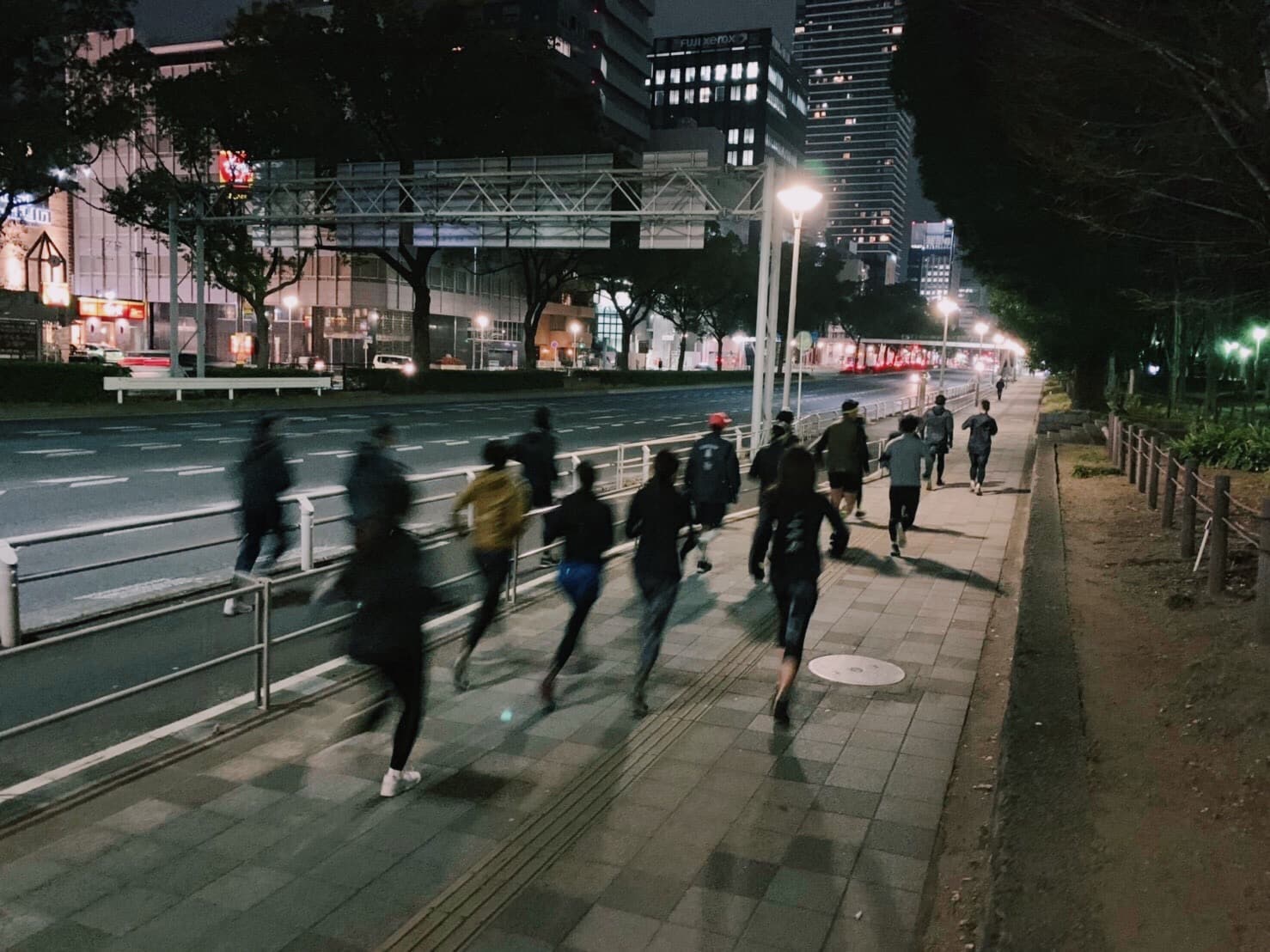
A Thursday Night and a Bigger Idea
There is a public bath in Nagoya called Charcoal Public Bath, and every Thursday at nine in the evening, a group of runners gathers outside it. The hour is late enough that the city has settled into its nighttime rhythm, the streets quieter, the air cooler, the urban landscape revealing a different texture than it shows during daylight. It is the kind of hour that asks something of you, that requires a deliberate decision to lace up and show up. For the roughly forty members of Common Landscape, that decision is easy. It has been easy since February 2015, when founder Yoshitaka first articulated something that most urban runners feel but rarely say out loud: that running through a city is not merely exercise. It is a form of engagement with the world around you, a way of reading streets and neighbourhoods and the people who fill them. Common Landscape was born from that conviction. Yoshitaka founded the crew in Nagoya with a clear sense of purpose, one that drew on his understanding of how urban culture operates at its most interesting intersections. The name itself carries weight. A common landscape is one that belongs to everyone, a shared visual and physical territory that no single person owns. When you run through a city, you move through that shared territory on foot, at a pace slow enough to notice things, fast enough to feel the city's momentum beneath you. The name is a statement of intent: this crew runs in the world as it actually is, not in a sanitised version of it.Where Running Meets Creative Culture
What Yoshitaka understood from the beginning was that the most interesting running crews are not formed solely around pace or distance. They form around sensibility. The people who gravitate toward urban running tend to bring other passions with them: an interest in design, in music, in fashion, in the visual languages of street culture. These are people who pay attention to their surroundings, who have strong opinions about the gear they wear and the sounds they run to, who see a connection between the act of moving through a city and the broader creative life of that city. Common Landscape was founded to be a meeting point for exactly those people in Nagoya. Nagoya is Japan's fourth-largest city, a place with deep industrial roots and a quietly confident creative scene that operates somewhat outside the national spotlight claimed by Tokyo and Osaka. It is a city that rewards close attention, one where architecture, craftsmanship, and local subcultures coexist in ways that are not always immediately visible to outsiders. Running through Nagoya at night, past the illuminated facades of its commercial districts and through the residential streets that extend beyond them, is a way of coming to know the city on its own terms. Common Landscape has always understood this. Their Thursday evening runs from Charcoal Public Bath are as much an act of urban exploration as they are training sessions.The Crew That Captain Takahiro Leads
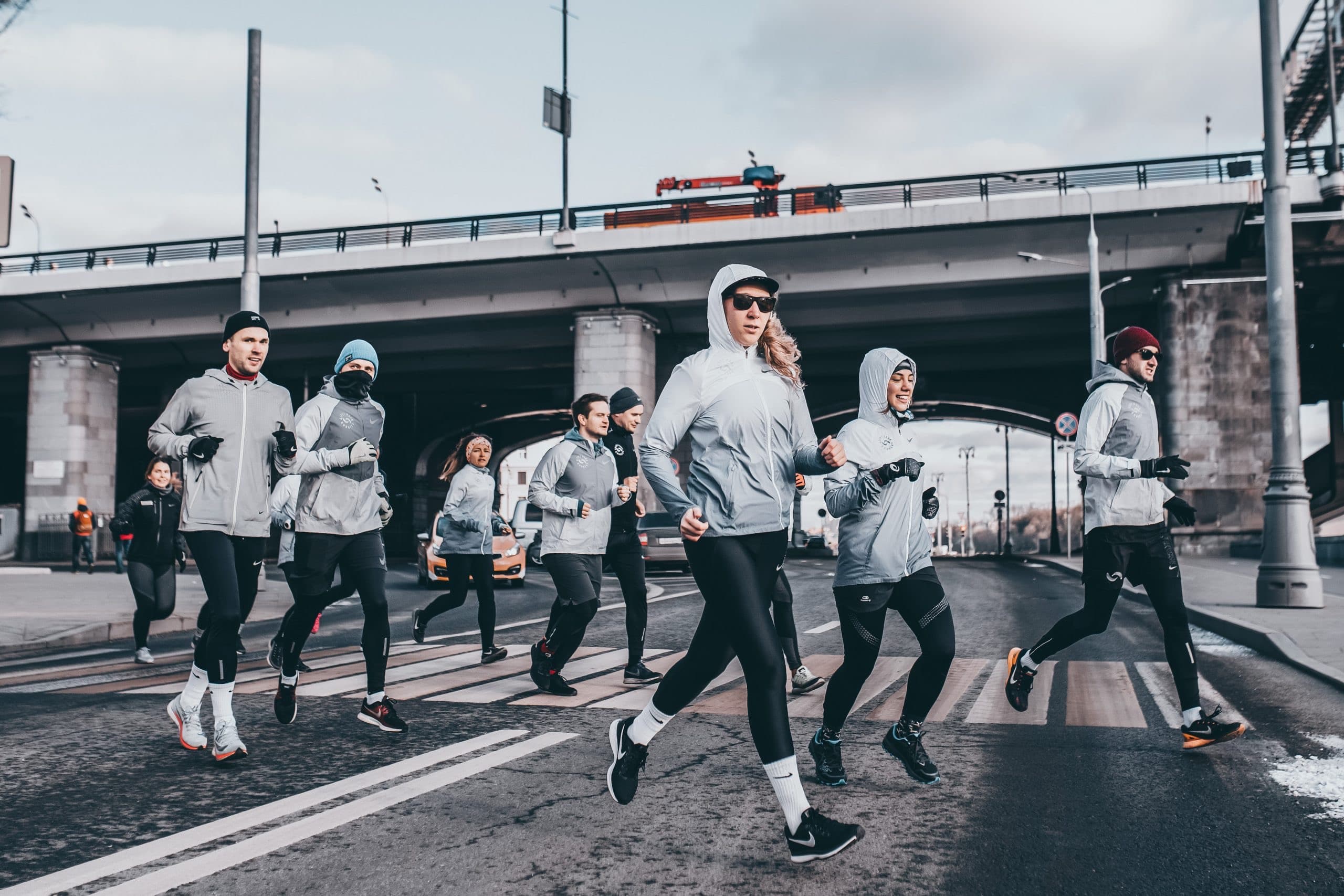
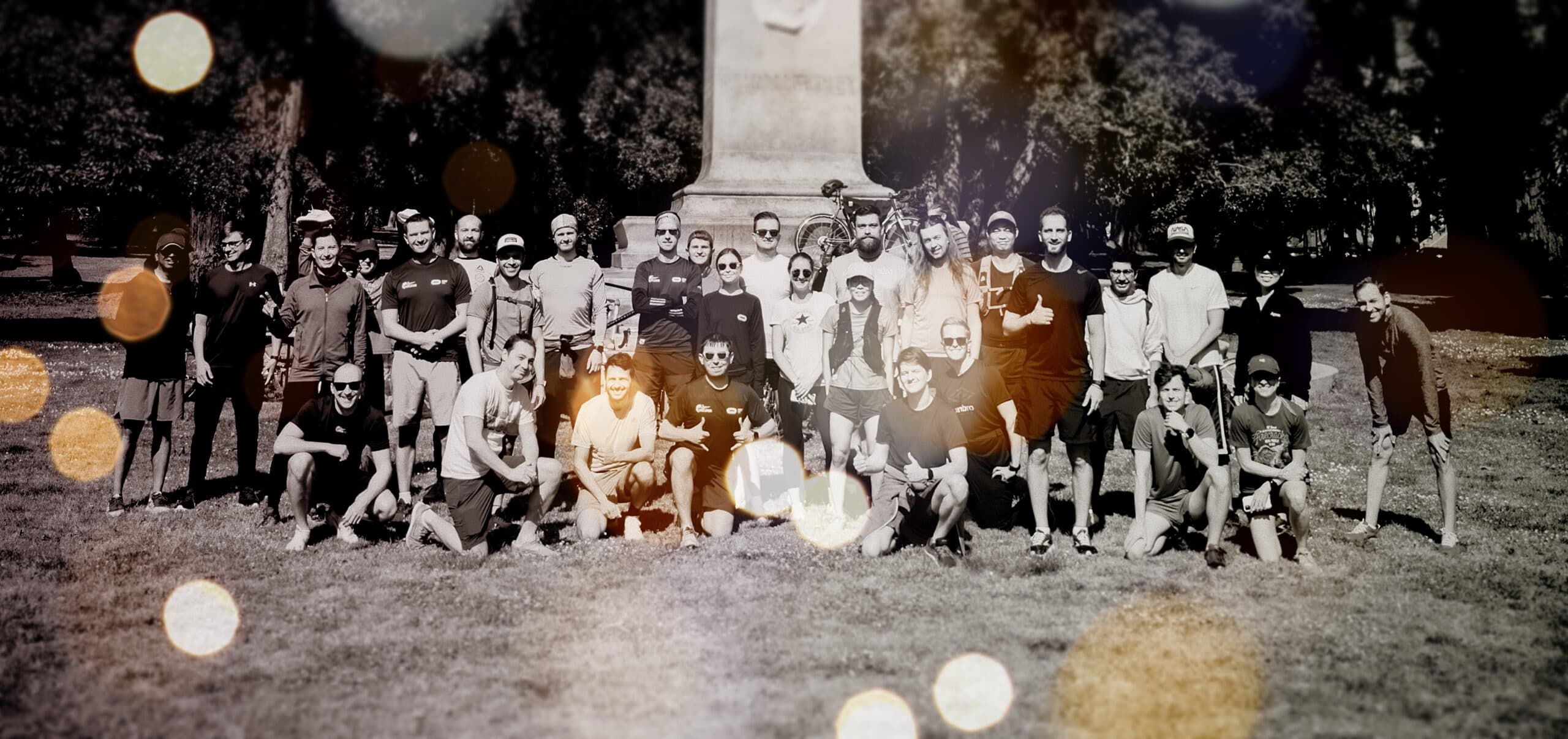
Today, Common Landscape is steered by Takahiro, who serves as the crew's captain. The transition from a crew founded by one person's vision to one led by a trusted captain is a mark of a community that has taken root, that has grown into something larger than any single founding moment. The crew numbers around forty members, a size that preserves the intimacy of a tight-knit group while generating enough collective energy to make a run feel like a genuine event. Forty people running through Nagoya on a Thursday night is a presence, a moving constellation of individuals who have chosen to spend that particular hour together. The social fabric of Common Landscape reflects the philosophy that gave it shape. Members bring backgrounds from across the creative and professional landscape of Nagoya, and the connections that form during and after runs tend to extend beyond running itself. Conversations that begin on a route through the city often continue elsewhere, feeding into the broader cultural life that the crew has always seen as inseparable from the act of running. Gear is discussed with genuine enthusiasm. Music is shared. The visual identity of the crew carries the same careful attention to aesthetics that its members bring to their other creative pursuits. None of this is accidental. It is the natural result of building a community around a shared sensibility rather than around a shared finishing time.Running as a Form of Cultural Exchange
From its earliest days, Common Landscape has held an ambition that extends beyond Nagoya. The crew's founding vision explicitly includes the desire to connect with running clubs around the world that share the same understanding of urban running culture. This is not the vague internationalism that many organisations claim. It is a specific belief that the culture of urban running, with its overlapping interests in gear, music, design, and city life, creates a genuine common ground between crews in different cities and different countries. A runner in Nagoya and a runner in Berlin or São Paulo or New York may inhabit very different urban landscapes, but if they are drawn to running for the same reasons, if they see the city as a creative territory to be explored on foot, then they share something real. This outward-looking quality gives Common Landscape a particular energy. The crew runs with an awareness of being part of something larger, a global conversation about what urban running is and what it can be. The exchange of ideas, aesthetics, and experiences between crews in different cities is, in the crew's view, one of the things that will continue to enlarge and enrich the running community as a whole. New social connections will form at those intersections, and the culture of running will become more layered and more interesting as a result. It is a generous vision, one that holds the local and the global in productive tension.Thursday Nights at Charcoal Public Bath
The practical heart of Common Landscape is still that Thursday evening run. There is something fitting about the choice of Charcoal Public Bath as the meeting point. A public bath is by definition a communal space, a place where the usual social distances collapse and people share something intimate and restorative. Gathering there before a run and, presumably, returning to its warmth afterward carries a quiet symbolism that aligns perfectly with the crew's values. The run itself is the act of moving through the shared landscape of the city. The bath is the act of returning to a shared human space. Both are forms of being together in the city, of claiming it as common ground. The nine o'clock start time places the run firmly in the city's nighttime atmosphere. Nagoya at that hour has a different character than the city of rush hours and business districts. The pace of street life has shifted. Lights from convenience stores and restaurants cast a particular quality of illumination over sidewalks and intersections. The city is not quiet, but it has relaxed into something more personal. Running through it at that hour, with people you know and with people you are still getting to know, produces the kind of experience that is hard to fully account for in practical terms but easy to understand once you have had it. It is the reason people keep coming back every Thursday.An Invitation Written in Running Shoes
Common Landscape does not make a loud noise about itself. The crew's presence on Instagram under @common_landscape reflects the same understated aesthetic intelligence that characterises everything the crew does, offering a visual record of the community and its runs without resorting to promotional excess. The images speak to people who already understand what the crew is about, and they serve as an open invitation to those who are encountering that sensibility for the first time. If you are in Nagoya on a Thursday evening and you find yourself drawn to the idea of running through the city at nine o'clock with a crew of people who care as much about urban culture as they do about the run itself, Common Landscape is worth seeking out. Yoshitaka's founding vision has produced something durable and distinctive in the Nagoya running scene, a crew that takes seriously the idea that how you run and who you run with and where you run are all part of the same question. The common landscape is out there, waiting to be covered on foot. These are the people covering it.Featured Crew
R
RunningCrews Editorial
RunningCrews.com