 RunningCrews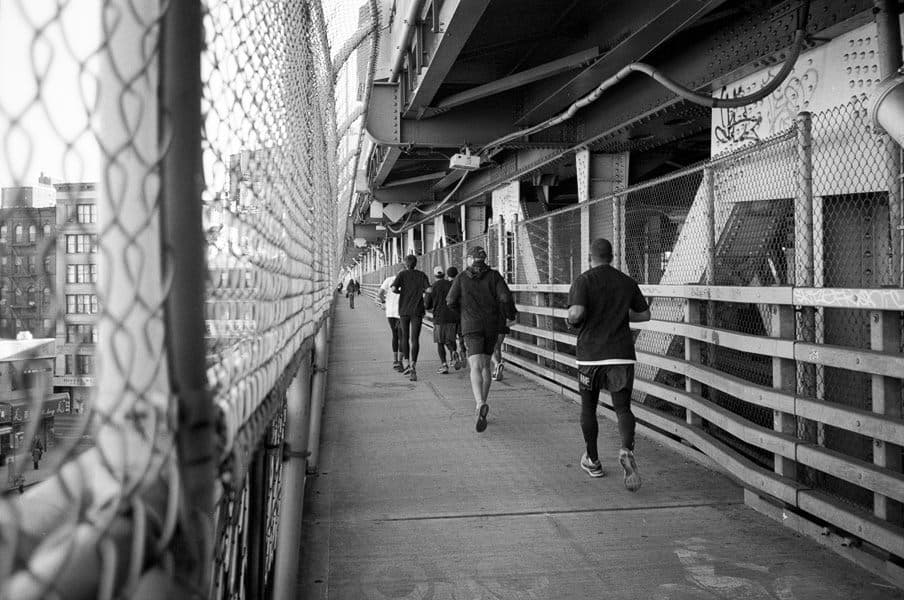
A Bike Crew, a Margarita Stand, and a Mexican Record Shop
Before there was a running crew, there was a bike crew. The Bridge Rollers, as they were known, would gather on the Lower East Side at a spot that sold frozen margaritas to go, then pedal across the bridge to Williamsburg, where a Mexican record shop hid some of the best tacos in the borough in a room behind the stacks. Every rider knew a different block. Every rider carried a different secret. That spirit of collective discovery, of moving through New York City not to conquer miles but to understand streets, became the founding logic behind Bridge Runners. When the crew shifted from two wheels to two legs in 2004, it brought that same instinct with it: get out of the obvious, find the scents and sounds that the main avenues will never offer, and always take the road less traveled. Twenty years later, that founding impulse has not dulled. If anything, it has sharpened. The city has changed around them, neighborhoods have transformed, storefronts have turned over, new murals have appeared on walls that were blank the last time a crew member ran past. But the logic of the run remains constant. Bridge Runners do not plot courses to maximize elevation gain or optimize a training block. They plot courses to reveal something about New York City that the person running beside them has never seen. The route is an argument. The miles are evidence. And the city, for all its noise and density, keeps delivering new material.Serious Runners Who Don't Take It Too Seriously
There is a line the crew returns to often, and it captures something essential about how Bridge Runners operate: they don't take it too serious, but they're serious runners. That tension is productive. It means no one is checking a heart rate monitor mid-stride through the Bronx, but it also means no one is coasting. The crew trains for the impossible, which is a deliberately open-ended goal. Whatever was once your best, you move past it. Whatever once seemed out of reach becomes the next target. The crew does not define that individually, because the crew is not an individual pursuit. The pace of growth, physical and personal, is set collectively, measured not in split times but in accumulated experiences and the quiet confidence that comes from having run through every kind of weather New York City can produce. Mike Saes, the founder, built Bridge Runners around this philosophy from the beginning. His own restlessness, the same energy that had him riding through Williamsburg on a Saturday night following his nose toward good food and good music, translated naturally into a running crew that refused to stay in its lane, literally. The routes that Bridge Runners run are less training plans than they are urban essays, each one making a specific argument about which neighborhoods connect, which blocks belong to the same story, which corners of the city have been overlooked long enough.The Captains Who Keep the Crew Moving
Running a crew of around 100 people across one of the most complex cities in the world requires more than one voice at the front. Bridge Runners operates with a team of captains, each bringing their own knowledge of the city and their own running personality to the group. Al Bueno brings one perspective on the streets. Power Malu brings another. Tony and Cedric add theirs. Adrian and Nacho round out a leadership group that looks, sounds, and thinks like the city itself. No single captain owns the narrative of Bridge Runners. The story is distributed, the same way the city's best secrets are distributed, across people who have been paying close attention for a long time. That structure reflects something deeper about how the crew understands community. There is no single hero in the Bridge Runners story. There is no origin myth built around one exceptional athlete who decided to share their gift with the world. The crew began because a group of people on bikes understood that the city rewards those who move through it with curiosity, and it has grown because runners keep showing up with the same instinct. The captains lead because they know the streets well, and because they know how to bring people along without making the run feel like a lesson.New York City as Course, Canvas, and Character
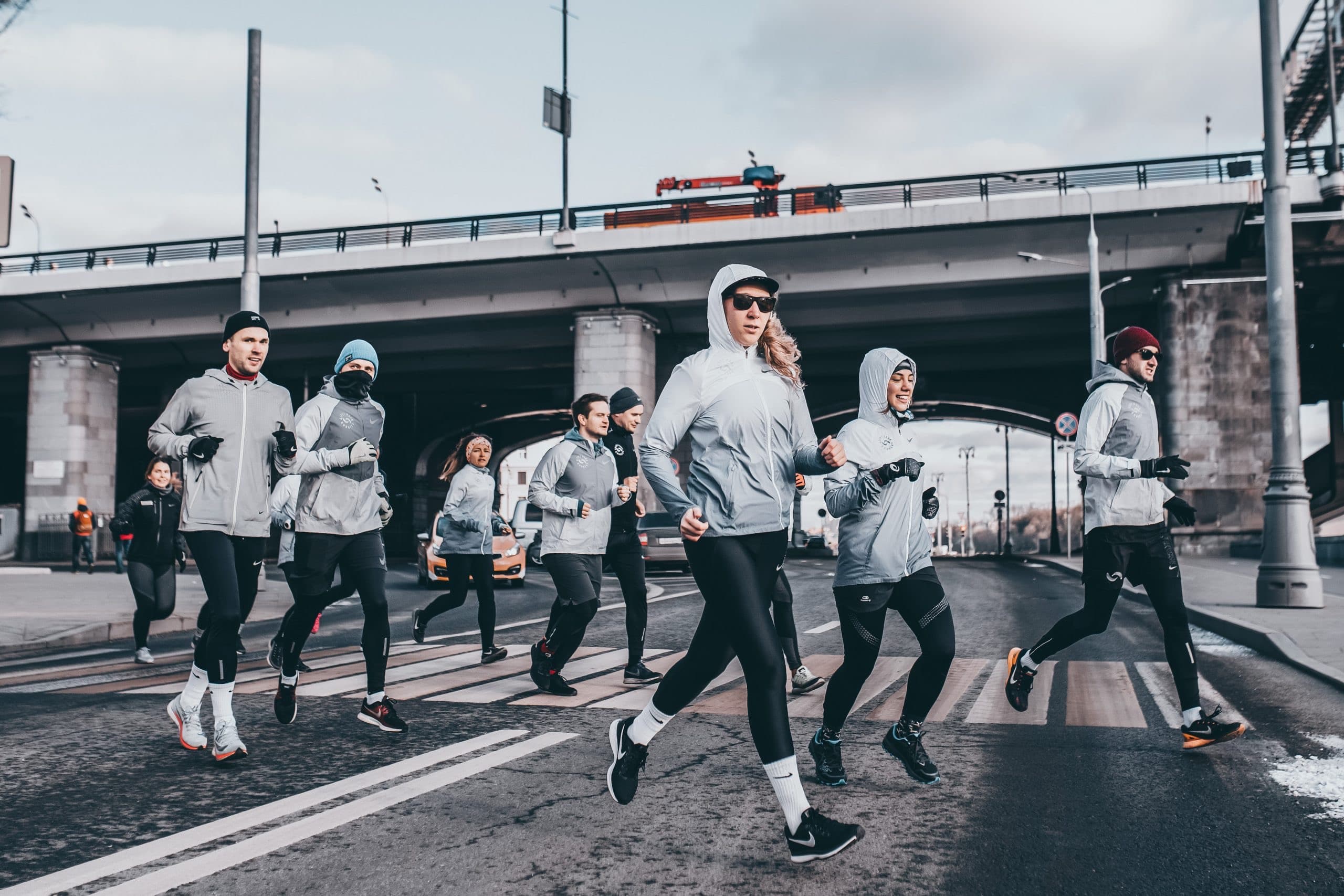
Bridge Runners operate out of Bridgerunners HQ, but the real headquarters is the city itself. New York rewards that approach more than almost any other place on earth. The density of neighborhoods, the way a single mile can carry you from one world into another, the history compressed into every block, the food and art that appear without announcement in storefronts and on walls and in the air, all of it becomes the content of every run. The crew's routes move through hoods, as they call them, with the deliberate intention of understanding what connects them. A run might start in one borough and end in another. It might pass a spot where someone on the crew used to work, or a mural painted by someone a captain knows, or a Dominican bakery that has been on the same corner since before most of the crew was running. The city described in Bridge Runners' own words is an apple, and the metaphor is worth taking seriously. Some members are the seeds and the core, the ones who have been here long enough to carry institutional memory, who know what a block looked like before it changed. Others are the skin, the vivid, visible presence that makes the crew shine from the outside. All of them together, the crew argues, have more juice and more flavor than any running group in any city in the world. That is not an idle boast. It is a statement of identity, grounded in a specific understanding of what New York City produces when its people move through it with attention and intention.Running Toward What the Map Doesn't Show
The easiest way to run in New York City is to stay in Central Park, loop the reservoir, and call it done. Bridge Runners have never been interested in that. The crew moves out of alleys and through shadows, following scents and sounds, chasing the version of the city that doesn't appear on tourism maps or running app route suggestions. That orientation toward the hidden and the overlooked is not a gimmick. It is a direct inheritance from the Bridge Rollers, the bike crew that showed, years before Bridge Runners existed, that the best version of New York City is the one you find when you stop following the obvious path. Two decades of running have produced a crew with deep collective knowledge of the city's less charted corners. Members bring discoveries back to the group the way travelers used to bring back stories: with detail, with pride, with an invitation to come see for yourself. The miles are tallied, but the accounting that really matters is the one kept in memory, the mental map of blocks and bridges and back streets that each runner builds over years of moving through the city with open eyes. Bridge Runners have been building that map since 2004, and the city keeps giving them new material to work with.An Open Invitation to Run the City Differently
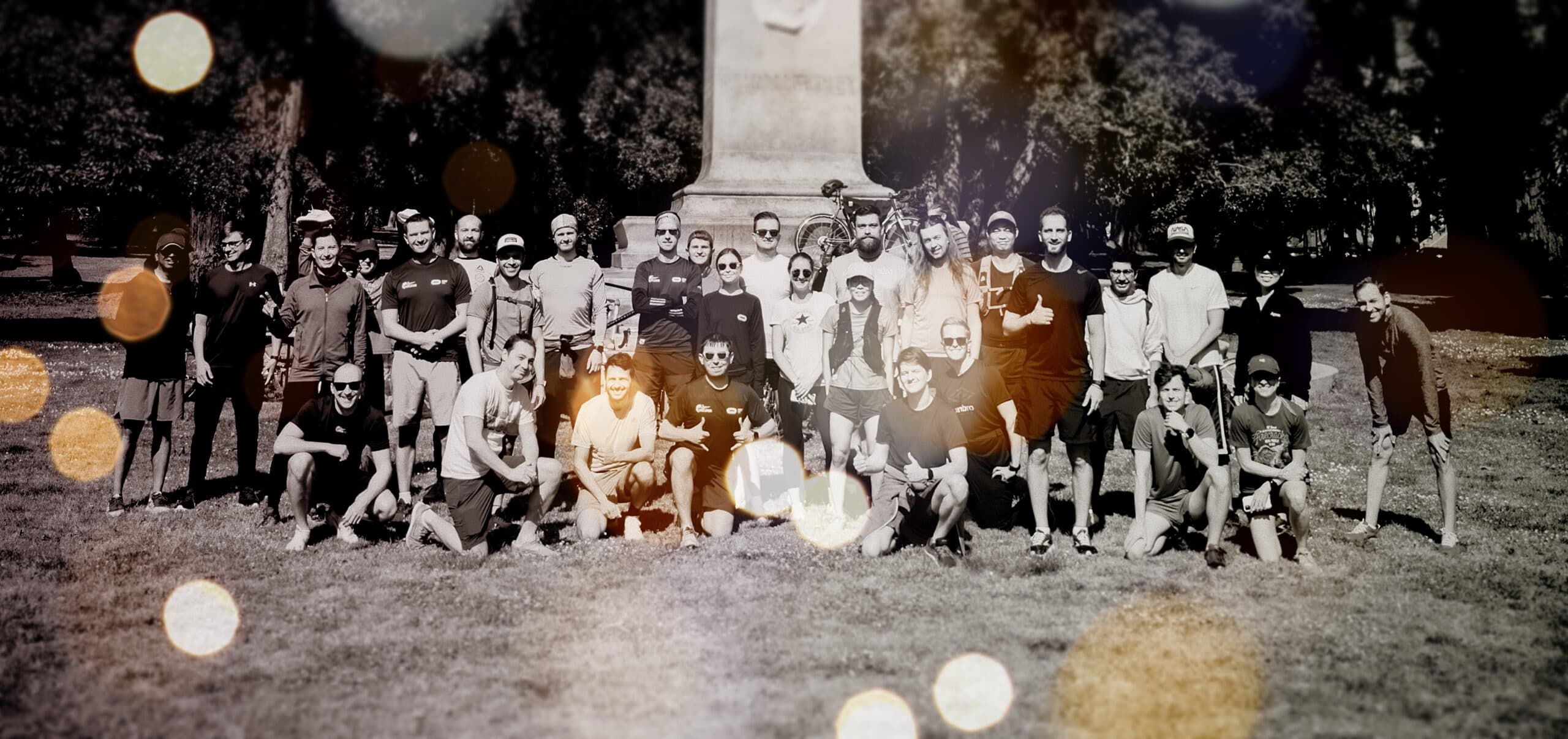
The crew that gathers around Bridge Runners is roughly 100 people strong, a number that represents real range in background, pace, and experience. What holds the group together is not a shared finishing time or a shared training goal. It is a shared understanding that running is most valuable when it connects you to something larger than the run itself. In New York City, that something larger is always available, always just around the next corner, always waiting in the alley you would have skipped if you were running the usual route. Bridge Runners meet at Bridgerunners HQ and move from there into the city with the same spirit that sent a group of cyclists across the bridge toward a record shop and a plate of tacos two decades ago. The run is never just a run. It is an argument that New York City is worth knowing thoroughly, that its neighborhoods deserve to be felt in the legs as well as understood in the mind, and that the best way to be part of a city is to move through all of it, not just the parts that are easy or familiar. Twenty years in, that argument is still being made, one road less traveled at a time.Featured Crew
R
RunningCrews Editorial
RunningCrews.com