 RunningCrews
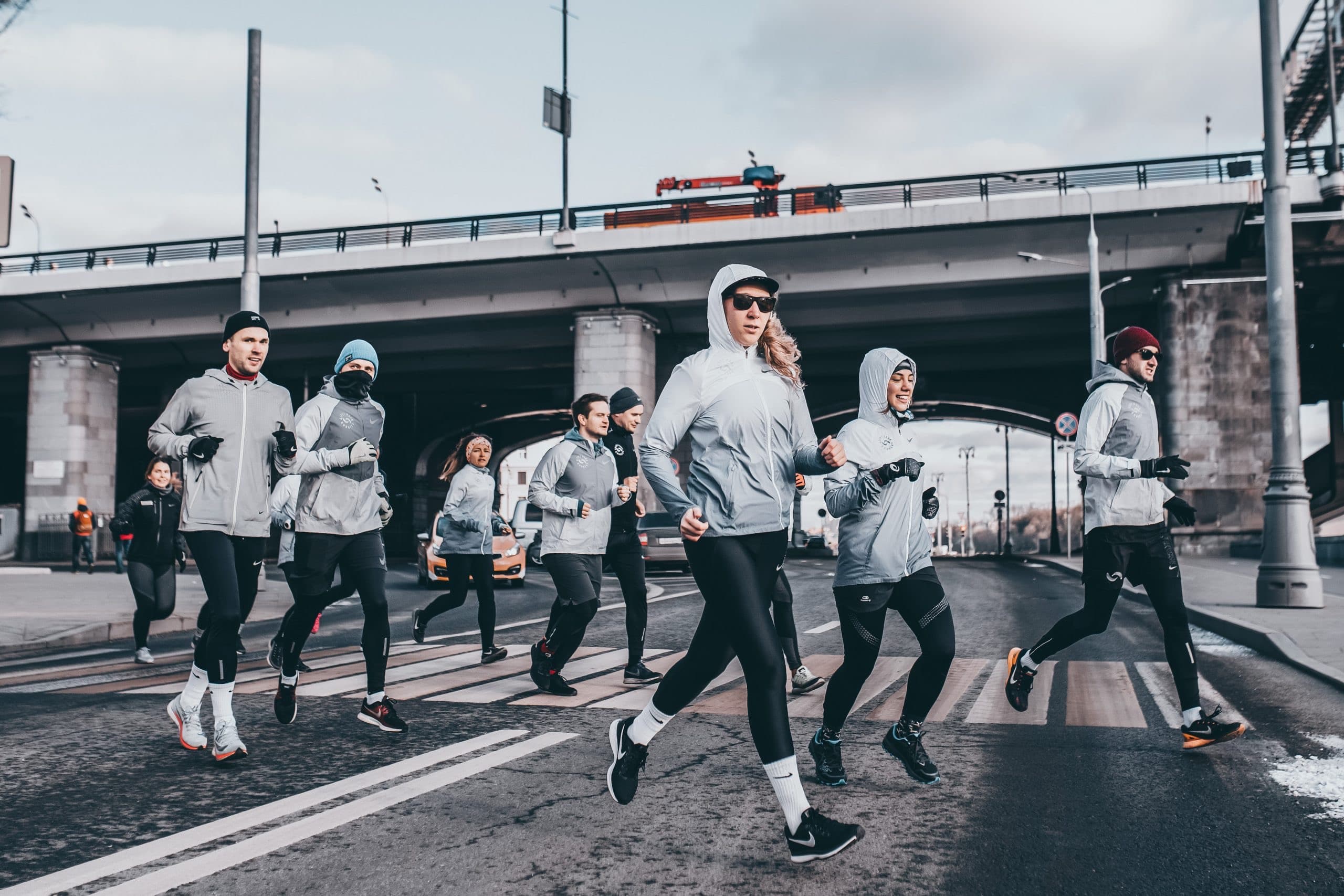
On a Saturday morning in Braamfontein, the city has not quite decided whether the night is over. The last bass notes from a nearby club still hang in the air, and the Nelson Mandela Bridge catches the early light above empty streets. Into this unresolved hour, a group of runners gathers at a place they call Prefontaine, at 153 Smit Service Road, lacing up and breathing in the raw energy of Johannesburg's inner city before the rest of the world wakes up. That Saturday ritual has been repeating, more or less without interruption, since March 2012. It is the heartbeat of Braamfie Runners, one of the oldest run crews in South Africa, and a crew whose identity is inseparable from the neighbourhood that gave it its name.
Braamfontein is not a quiet corner of Johannesburg. It sits at the convergence of the city's civic ambitions and its youth culture, home to the University of the Witwatersrand, the Constitutional Court, and a cluster of creative industries that have made it a focal point for the city's young professionals and students. The neighbourhood has grit. It has history. It is also genuinely alive in ways that more polished precincts are not. Braamfie Runners reflect all of that. They took their name from this place deliberately, as a declaration of belonging rather than a branding exercise, and they have carried that sense of place in every run they have organized in the years since.
Born on Braamfontein Streets With Nike's Blessing
The crew was founded in March 2012, initially as an invite-only group with the support of Nike. That origin gave Braamfie Runners a particular infrastructure and visibility in those early months, and many members from that era still run in the Swoosh as a nod to where things began. But the crew's story did not stay inside those parameters. Over time, Braamfie Runners shed the invite-only model and opened their doors to anyone willing to show up at Prefontaine on a Tuesday, Thursday, or Saturday. The three leaders at the center of the crew, Yolanda, Tumi, and Andrew, drove that evolution. They had understood early on that the energy of Braamfontein was not something you could gate-keep. The neighbourhood itself was too open, too contradictory, too welcoming of strangers for the crew to remain closed. Yolanda, Tumi, and Andrew lead by presence as much as by title. They are on the routes, they are at the briefings, and they are the ones making sure no runner finishes alone. The crew operates with dedicated sweepers on every run, a practical commitment to the idea that pace is not a prerequisite for belonging. Runners of different fitness levels join the same routes, knowing the group will hold together from front to back. That is not a minor logistical detail. In a city where running culture can sometimes feel stratified by speed or status, it is a meaningful stance.Ubuntu as a Running Philosophy
The South African concept of Ubuntu, often translated as the understanding that a person is defined through their relationships with others, runs through the way Braamfie Runners operate. It is not a slogan they print on kit. It is a practice. Over the years, several members and founders from within the Braamfie Runners community have gone on to start their own run crews in Johannesburg and beyond. Rather than reading that as a form of fragmentation, the crew sees it as proof that something meaningful was built. The roots produced branches. The philosophy of mutual support, of showing up for each other and for the city, was transmitted and replicated. This generational spread has made Braamfie Runners something of a taproot in South African running culture. The crew did not simply grow in size. It grew in influence, quietly shaping the way community running is understood and organized across the country. That kind of legacy is earned over a decade of Tuesday evenings and early Saturday mornings, over thousands of kilometers covered together through the inner city, and through the trust that accumulates when a group consistently keeps its word about who is welcome and who gets left behind, which is nobody.Three Runs a Week Through the Inner City
The weekly rhythm of Braamfie Runners is built around three sessions. Tuesday and Thursday evenings bring the crew together at Braamfontein at 6:00 p.m., with the Thursday session oriented around speed work on a 1 km route near the base. Those evening runs have their own atmosphere, the city in its working clothes, traffic thinning, the sky shifting. Saturday morning is the flagship gathering, starting at 7:00 a.m. at Prefontaine, when the distances stretch out and the city belongs to almost no one else. Organized runs range from 8 km to 32 km depending on the training cycle and the event the group is building toward, which means the Saturday session can range from a sociable recovery loop to a serious long run through Johannesburg's layered urban landscape. The routes themselves are part of the experience. Running through Braamfontein means passing Constitution Hill, a site where a notorious apartheid-era prison has been transformed into a living monument to South Africa's constitutional democracy. It means crossing the Nelson Mandela Bridge, with its steel arches framing the skyline in a way that stops being a cliché only when you are actually running across it. It means moving through streets where history and the present are constantly negotiating with each other, and where the act of running feels, on certain mornings, like a small but genuine claim on the city.Training Toward the Big Races
Braamfie Runners take race preparation seriously. Two events sit at the top of the crew's collective calendar. The Soweto Marathon, a 42 km race rooted in the historic township that gives it its name, draws runners from across the world and holds a significance in South Africa that goes well beyond the sport. The Comrades Marathon, the 90 km ultramarathon between Durban and Pietermaritzburg that has been run since 1921, is in many ways the defining test of South African distance running endurance. Braamfie Runners prepare their members for both. The longer Saturday runs and the weekly speed sessions are not arbitrary; they are calibrated to give members the fitness and the confidence to line up at those start lines and finish. There is something specific to Johannesburg running culture in the way Braamfie Runners approach these events. The city sits at an elevation of around 1,750 metres above sea level, which means every run at Prefontaine is already a form of altitude training. The lungs work harder on Braamfontein streets than they would at sea level. Members who race at lower altitudes often find, somewhere around the halfway point, that their legs have something the elevation at home quietly built into them.A Community Built on Open Roads
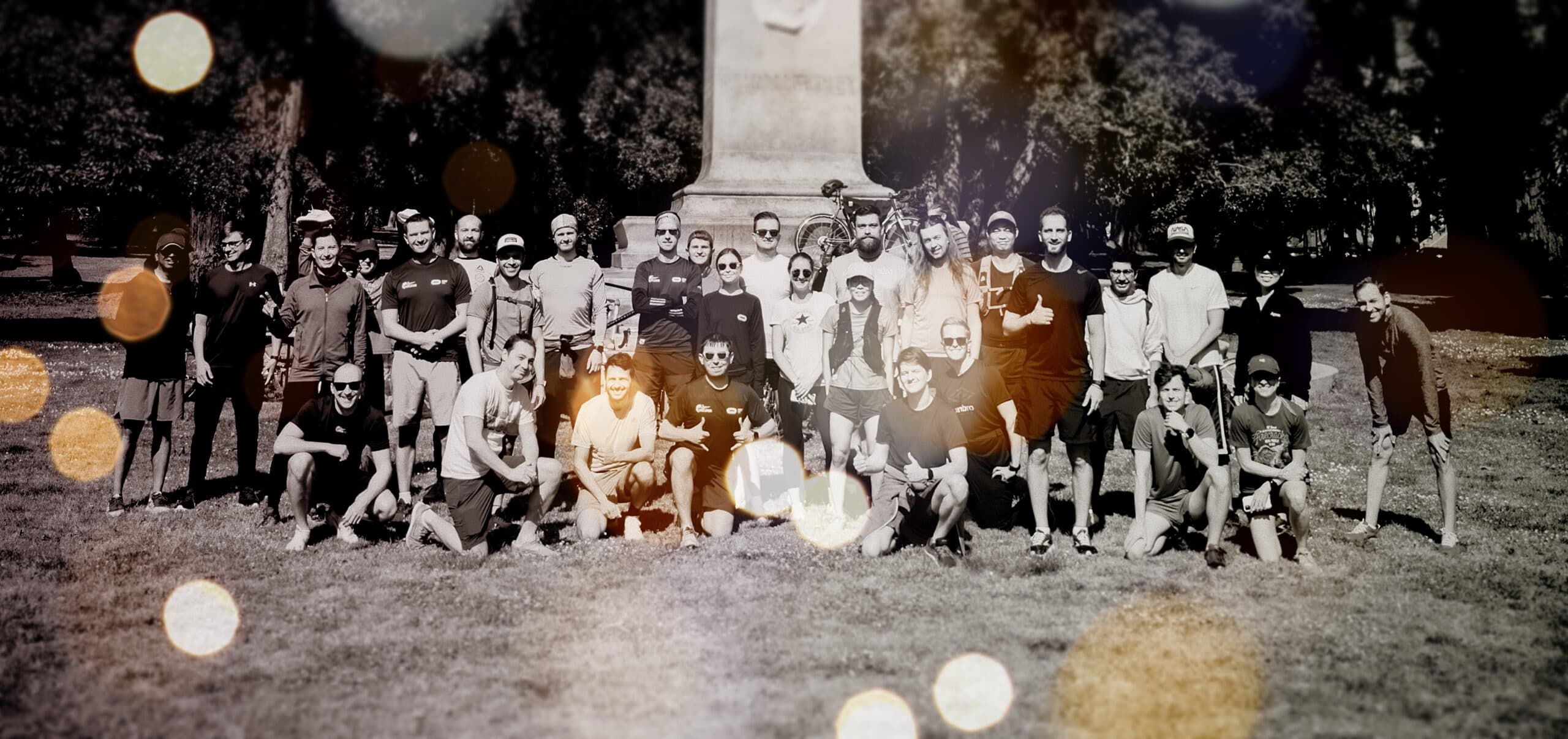
Braamfie Runners has grown to around 50 members, a number that has stayed relatively stable even as the crew's cultural footprint has expanded. Members pay an annual subscription that covers merchandise, events, and the refreshments that appear after long Saturday runs, small logistical details that make a crew feel like an organization rather than an informal gathering. New runners are consistently welcomed. The crew's shift from invite-only to open membership was not just a policy change; it reflected a genuine belief that the energy of the group improves when it draws from a wider pool of people. The community around Braamfie Runners is a cross-section of Johannesburg itself: different ages, different backgrounds, different speeds, all sharing the same starting point at Prefontaine and the same finish. The crew's Instagram presence gives a sense of who shows up and what the atmosphere looks like, equal parts serious training and the easy camaraderie that forms when people run together in the same place for years. If you want to find them, the address is 153 Smit Service Road, Braamfontein. Tuesday at 6:00 p.m., Thursday at 6:00 p.m., Saturday at 7:00 a.m. Show up, and you will not be running alone.Featured Crew

R
RunningCrews Editorial
RunningCrews.com