 RunningCrews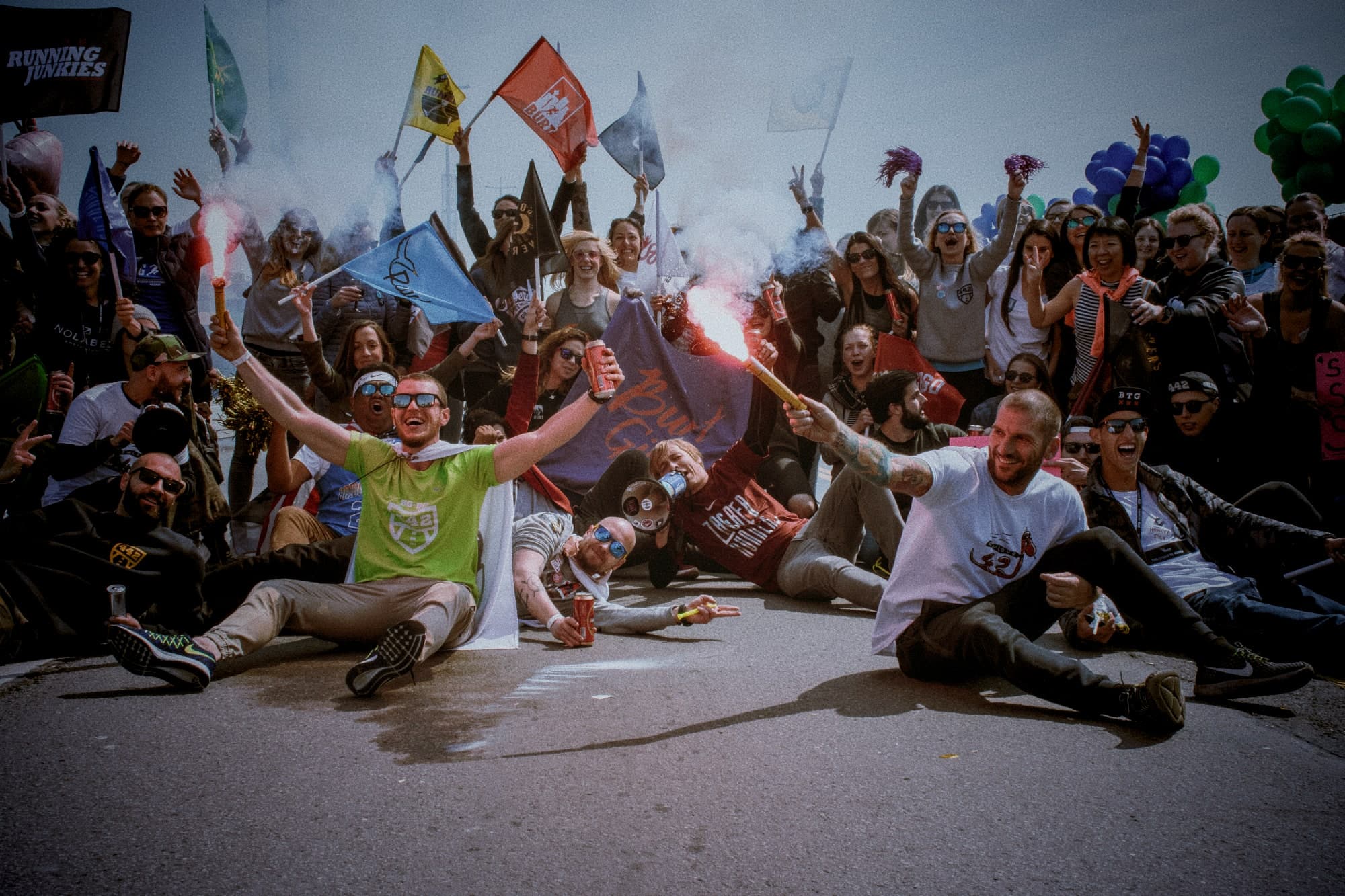
Five Friends, One City, One Spark
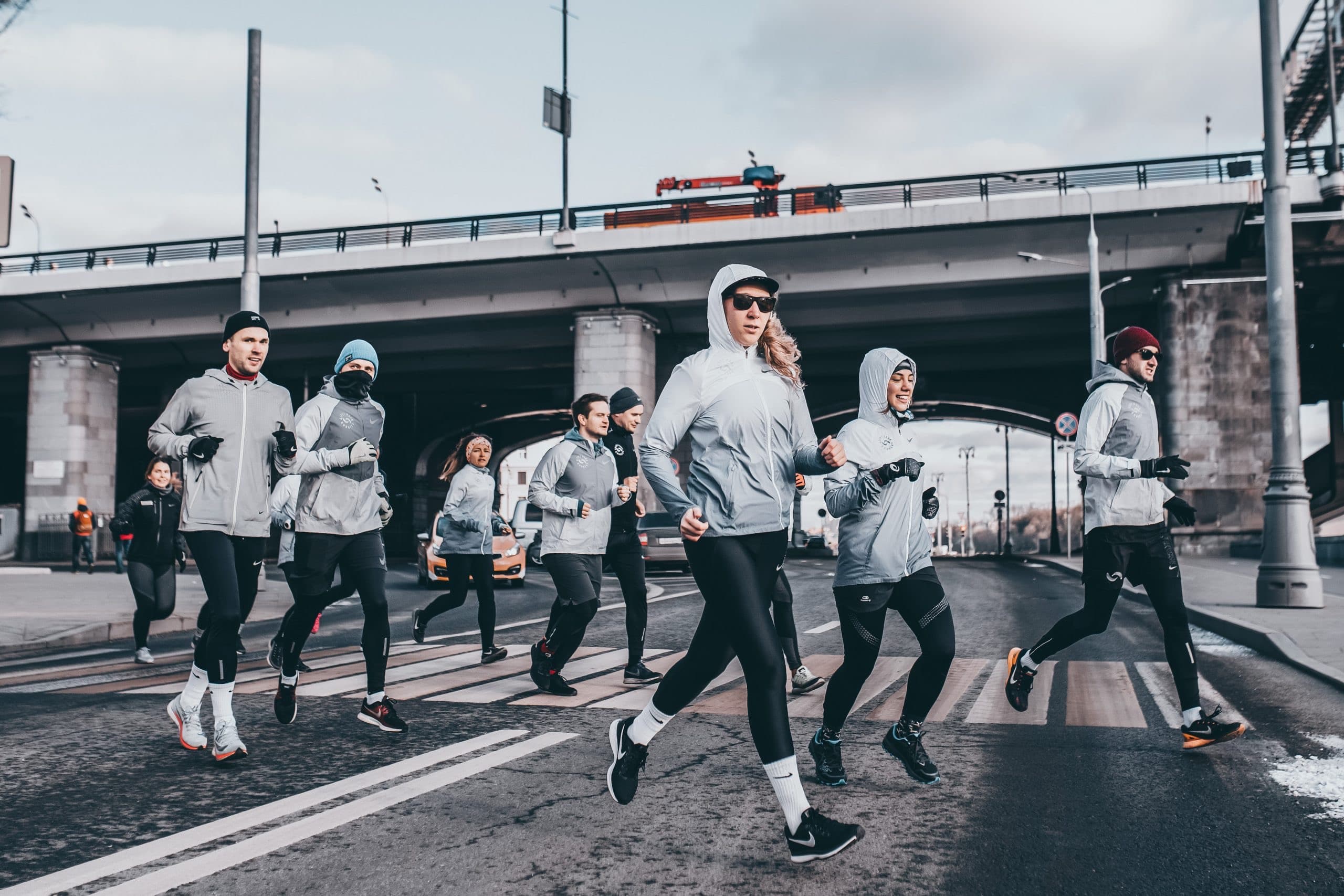
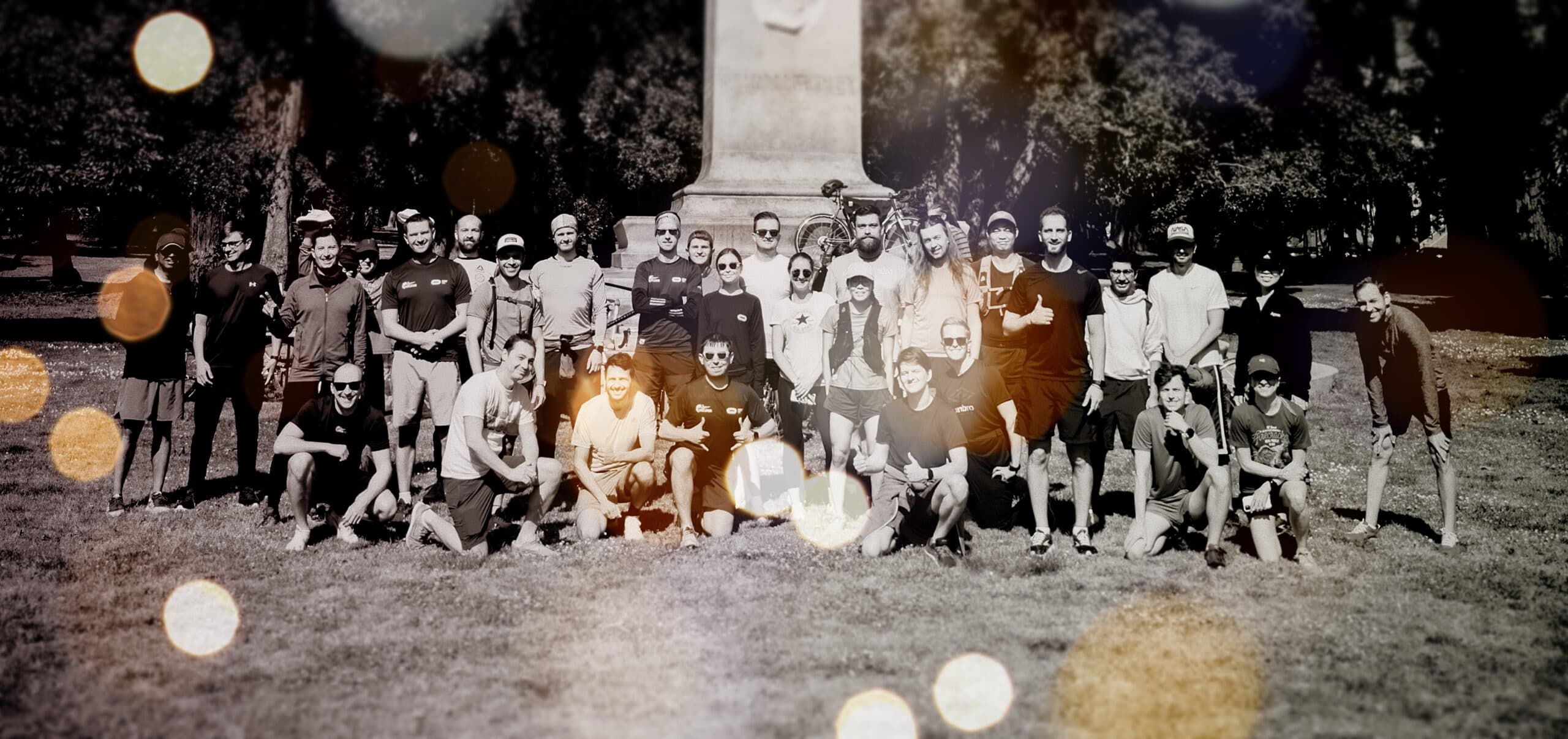
It started the way the best things usually do: without a plan. In March 2014, five friends decided to run through Belgrade together, not for a race, not for a club, just for the pleasure of moving through their city side by side. That first outing had no name, no logo, no agenda. What it had was a feeling, and that feeling proved contagious. Within months, more people had joined. Within years, what began as an informal loop through the streets had grown into the Belgrade Urban Running Team, a crew of around 150 members that today stands as one of the most active and socially engaged running communities in Serbia. The founders, Milica, Aleksa, Milko, and Nikola, never set out to build a movement. They set out for a run. The movement followed naturally, carried by the energy of people who simply wanted more of what those first kilometres gave them. Growth was organic and anchored in friendship. As members came from different neighbourhoods across the city, they brought their own networks with them, expanding the crew one handshake, one shared finish line at a time.Running as a Bridge Between People
Belgrade Urban Running Team is part of the global Bridge the Gap movement, an international network of running crews committed to using sport as a tool for cultural connection. The premise is straightforward and quietly radical: put people from different backgrounds on the same road, at the same pace, and the differences that divide them in everyday life begin to soften. Bridge the Gap crews around the world share this conviction, and Belgrade Urban Running Team carries it through the specific texture of their city, a place with a complicated modern history and a population that knows firsthand what division costs. The crew spreads the message actively, not just through words but through action: participating in global campaigns such as "Stop the Violence" and "Run for Peace," running relay races that cross national borders, and building partnerships with organisations that serve vulnerable communities. For Belgrade Urban Running Team, putting on a pair of trainers and stepping out into the city is a small but deliberate act of openness. The crew explicitly positions running as a stand against nationalism and xenophobia, a stance that gives their Sunday morning miles a weight beyond fitness.A Community Built on Equality and Collective Spirit
Ask anyone in the crew what keeps them coming back, and the answer is rarely a personal record or a podium finish. It is the people. Belgrade Urban Running Team operates on a flat, egalitarian foundation: no one's contribution is worth more than anyone else's, no one's pace earns them a higher seat at the table. Captains Aleksa, Marko, Milko, and Nikola steward the crew's day-to-day life, but the atmosphere they cultivate is deliberately anti-hierarchical. Egos, as the crew puts it plainly, take a back seat. What rises to the front is mutual encouragement, shared effort, and a genuine enjoyment of the sport. Runners from across Belgrade's diverse neighbourhoods make up the membership, and that geographic spread is part of what gives the crew its breadth of character. Someone from Zemun runs beside someone from Novi Beograd, and both finish the loop having learned something about a part of their city they rarely visit. The crew welcomes runners of all levels, not as a marketing line but as a lived practice. No one is asked to prove themselves before they belong. They show up, they run, they are part of it.Sunday Mornings at Ada Ciganlija
The crew's signature weekly run takes place on Sunday mornings at Ada Ciganlija, the river island that stretches along the Sava and serves as Belgrade's great outdoor escape. The setting is hard to argue with. Tree-lined paths hug the water, the city's noise fades behind the tree line, and the air carries the particular quiet of a morning that has not yet been claimed by traffic or obligation. The 9 a.m. start time is deliberate: early enough to feel like a real commitment, late enough to allow a proper sleep. Ada Ciganlija has long been a gathering place for Belgrade residents who want to move their bodies and clear their heads, and Belgrade Urban Running Team has made it their home base for good reason. The run is the week's anchor point, the moment where new members meet veterans, where someone running their third kilometre ever runs alongside someone who has already covered thousands. After the run, the gathering continues, because in Belgrade, a run is never just a run. It is also a conversation, a coffee, a reason to linger.Social Responsibility as Part of the Practice
Running is the vehicle, but Belgrade Urban Running Team has always been clear that the road leads somewhere beyond fitness. The crew has partnered with the Svratište shelter on Krfska Street, contributing hands-on work including building a bathroom and a day room, alongside collecting donations for refugees and giving clothes and shoes to those who needed them. They have worked with organisations supporting people with visual impairments, bringing running into spaces where it might not otherwise reach. These are not one-off gestures made for photographs. They reflect a consistent understanding within the crew that an active community has a responsibility to the wider community it moves through. The Belgrade Urban Running Team's social engagement is woven into their identity as naturally as their Sunday route. It shapes how members think about their city, who they notice, and what they feel compelled to do. Running makes you see a city differently, at street level, at pace, through its forgotten corners and its central squares. Belgrade Urban Running Team takes that visibility seriously.The Speed Project and the Road to Las Vegas
In one of the most demanding tests any running crew can undertake, Belgrade Urban Running Team entered The Speed Project, a self-navigated relay race covering roughly 550 kilometres from Los Angeles to Las Vegas. The race has no fixed route. Teams choose their own path, which means strategy matters as much as fitness. Belgrade Urban Running Team set a target of completing the race in under 44 hours, with each member running somewhere between 50 and 60 kilometres across the duration. Months of structured training, guided by a dedicated coach, preceded the race. The preparation was meticulous: gradual mileage increases, speed sessions, endurance blocks, and the kind of mental conditioning that only comes from choosing discomfort repeatedly over time. On the course itself, the crew leaned on everything that defines them back home: collective effort, unwavering support, the willingness to keep moving even when the body is asking serious questions. A support crew travelled with them, including a photographer, a cameraman, and a communications person, making sure the journey was documented and shared. Crossing the finish line in Las Vegas was not the point of the story. The point was what happened between the start and the finish, the hours of shared effort that compress a community into something tighter and more durable than it was before.Belgrade as a Running City
To run in Belgrade is to move through layers. Kalemegdan Fortress, sitting at the confluence of the Sava and Danube rivers, offers one of the most visually striking running environments in southeastern Europe: ancient walls, open viewpoints, gardens that open suddenly onto panoramic river views. Ada Ciganlija provides the green, the water, and the rhythm of a city that knows how to rest. The streets of the centre, including the pedestrian energy of Knez Mihailova, and the wide grids of Novi Beograd offer a different kind of running: urban, kinetic, full of the sounds and sights of a city with a lot on its mind. Belgrade Urban Running Team navigates all of it. The Belgrade Half Marathon, held each April, is among the crew's favourite events in the calendar, a day when the city's running culture surfaces all at once, filling the streets with people who have been training quietly all winter. The crew also has a history of organising the Belgrade Midnight Run, a night race through the city that flips the familiar landscape into something stranger and more alive. Between the weekly runs, the events, the social projects, and the international expeditions, Belgrade Urban Running Team has built something that looks simple from the outside: people running together. From the inside, it is considerably richer than that.Featured Crew
R
RunningCrews Editorial
RunningCrews.com