 RunningCrews
One Year, One City, One Crew
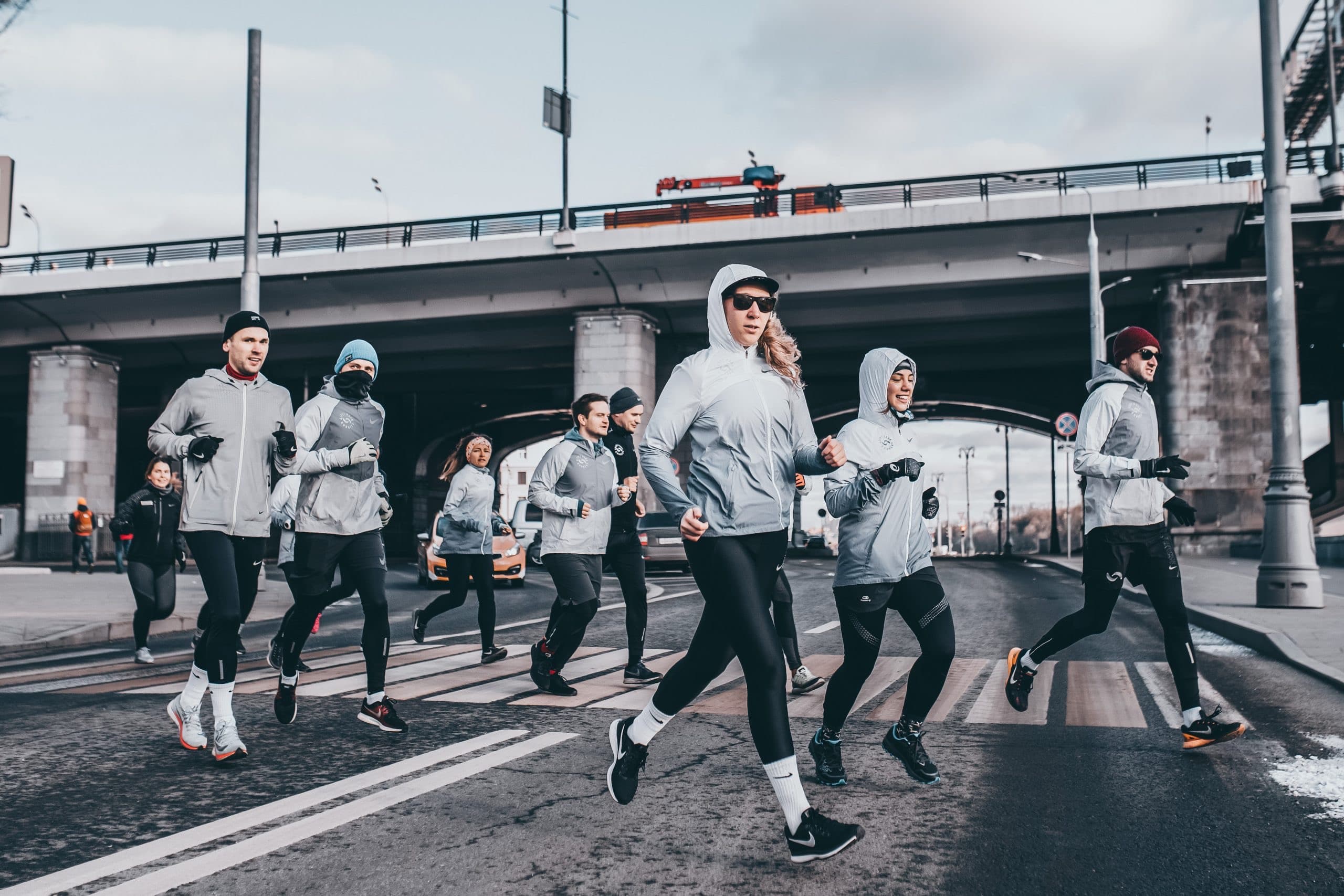
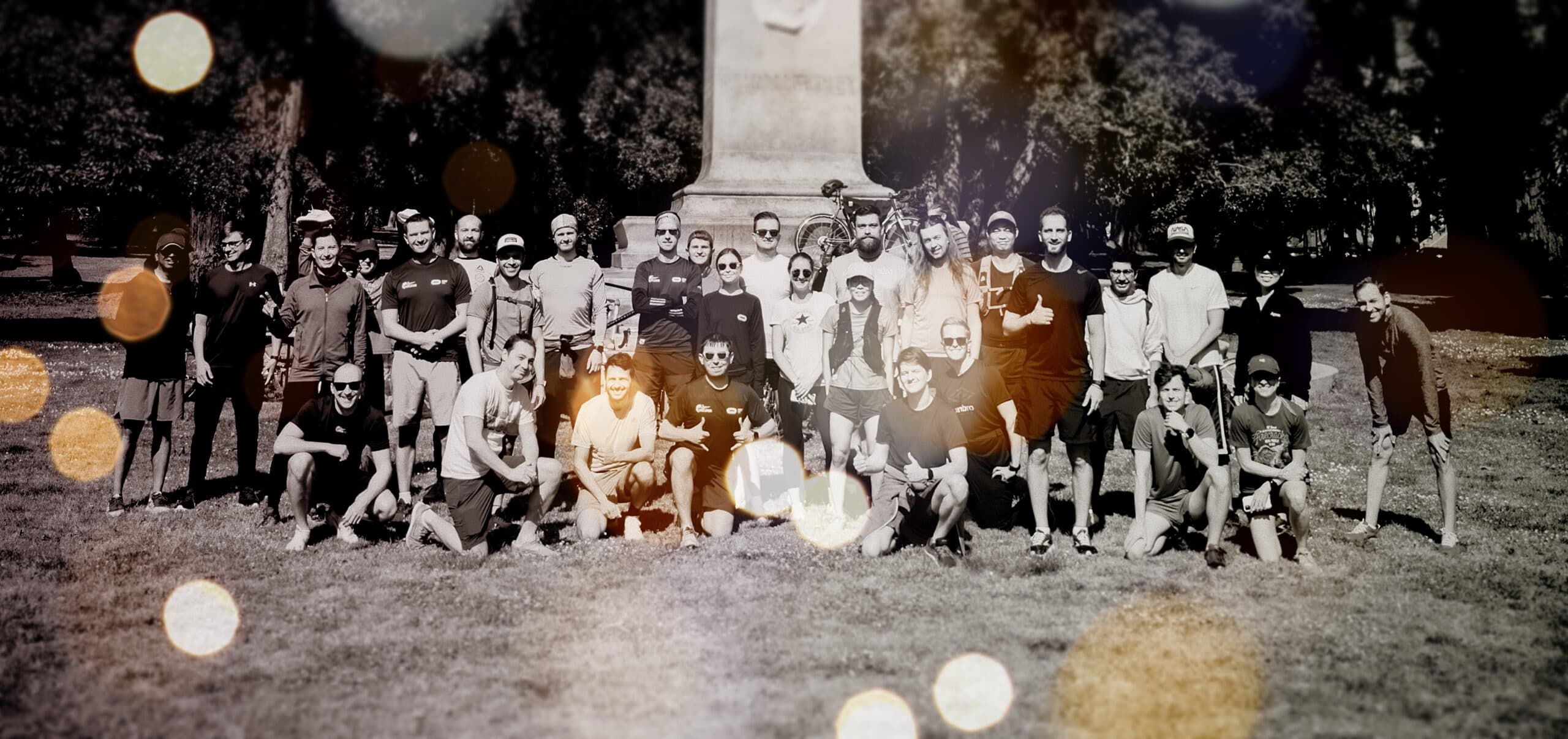
There is something quietly radical about a running crew defined not by pace, not by distance, not by a neighbourhood, but by a single year of birth. 1991RUNNERS was founded in Seoul in June 2017 on exactly that premise: every person in the group was born in 1991. Not roughly around that time, not somewhere in the early nineties. Precisely 1991. It is an unusual qualifier for a running crew, and that specificity is precisely the point. The founding idea was not just about organizing runs together. It was about gathering people who share a common timeline, a common set of cultural references, a common chapter of life, and pointing all of that shared energy toward the streets of one of Asia's most dynamic cities. Seoul is a place that never quite sits still, and 1991RUNNERS moves through it with the same restless curiosity. The crew has grown to around 100 members since those early months, each one carrying that same birth year like a quiet membership card. What began as a modest gathering of like-minded runners has become a monthly ritual that weaves together physical movement and genuine community in equal measure. The city provides the backdrop. The year provides the bond. The runs provide the rhythm.Leadership Belongs to Everyone
Most running crews have a founder who sets the tone, a captain who maps the route, a core team that holds things together. 1991RUNNERS works differently. Within this crew, everyone is considered a leader. That is not a motivational slogan printed on a singlet. It is the operational reality of how the group functions month to month. Members take turns organizing the runs. Each month, a different person steps up, picks the route, arranges the meeting point, and guides the group through Seoul's neighbourhoods. This rotating model means the crew's experience shifts with each outing, shaped by whoever is leading that particular month. One run might hug the banks of the Han River at dusk. The next might thread through the hillside alleys of a neighbourhood that most members have never explored on foot. The person leading brings their own sense of the city, their own curiosity, their own relationship with Seoul's streets. The result is a crew that never quite settles into routine. There is always a new perspective at the front of the pack, and that keeps the monthly run feeling like a genuine discovery rather than a scheduled obligation. The democratic structure also means that no single personality dominates the group's identity. 1991RUNNERS belongs to all of its members in a very literal sense. Every person who has organized a run has left a small mark on what the crew is and what it continues to become. The shared ownership is not symbolic. It shows up in the routes, in the pace, in the way the group moves through the city together.Running Through Seoul One Month at a Time
Seoul is a city that rewards runners willing to look beyond the obvious paths. The Han River trail is a classic for good reason, wide and long and lined with the particular energy of a city taking a collective breath along its waterfront. But Seoul also offers a more layered geography: the forested ridges of Bukhansan pressing down on the northern edge of the city, the narrow commercial streets of districts like Mapo and Yongsan, the quieter residential slopes that rise behind the busier boulevards. 1991RUNNERS has the kind of setup that lends itself naturally to exploring all of it. Because each monthly run is organized by a different member, the crew's route map over the course of a year becomes a kind of collective portrait of Seoul as its members know and love it. One organizer might choose a course that climbs toward a temple gate at dawn. Another might plan something flatter, faster, tracing a loop through a riverside park as the city wakes up around them. The variety is built into the structure. There is no fixed meeting point and no fixed distance dictated from above. Each organizer makes those calls for their month. That flexibility keeps the runs fresh and keeps the members genuinely curious about what the next outing will look like. Around 100 runners sharing a birth year also means around 100 different relationships with the city they all call home. The monthly run is the moment those individual relationships converge into something collective and moving.What a Shared Birth Year Actually Means
It would be easy to underestimate what the 1991 qualifier really does for this crew. On the surface, it sounds like a novelty, a fun concept that might sustain interest for a few months before the novelty fades. In practice, it does something more durable. People born in the same year grew up with the same cultural touchstones, moved through the same educational milestones at roughly the same time, entered the workforce and adulthood during the same global moments. In South Korea, where age carries specific social meaning and where the concept of being the same age, of being the same generation in a very precise sense, shapes relationships in meaningful ways, the 1991 bond carries real weight. When 1991RUNNERS members gather for a monthly run, they are not just a group of strangers who happen to run. They are peers in the fullest sense of the word, people who share a reference point that goes deeper than running. That shared context makes conversation easier, makes the post-run gathering more natural, makes the community feel less like a network and more like a cohort. There is an ease that comes from knowing that the person running beside you lived through the same years, navigated the same transitions, and is now, in their early thirties, doing the same thing you are doing: lacing up, showing up, and moving through the city. The running is real. The community around it is equally real. And the 1991 thread that connects everyone is something no other crew in Seoul can replicate.A Crew That Grows with Its Members
1991RUNNERS launched in June 2017, which means the crew has now been running through Seoul for several years. The members who joined in those early months are not the same people they were then, not in the ways that matter most. They have moved, changed jobs, started families, shifted priorities. The city around them has changed too. Seoul in the late 2010s and Seoul in the mid-2020s are different places in texture and feeling, even if the major landmarks remain. What has stayed constant is the monthly run and the structure that makes it work. The rotating leadership model has a particular resilience to it. Because no single person is responsible for sustaining the crew's momentum, the energy does not rise and fall with any one individual's availability or enthusiasm. The crew breathes collectively. When one person steps back, another steps forward. The organization continues because it is distributed across everyone rather than concentrated at the top. For a crew built around a birth year, there is also something poetic about the way 1991RUNNERS has aged alongside its members. The people who joined as twenty-five-year-olds are now in their early thirties. The runs they organize today reflect where they are now, not where they were. The crew does not stay frozen at the moment of its founding. It moves forward in time along with the people who make it up, which gives 1991RUNNERS a kind of living continuity that most running crews do not have by design. Follow the crew on Instagram to keep up with monthly runs and see Seoul through the eyes of the people who run it.R
RunningCrews Editorial
RunningCrews.com